- Blog
- Luggage & Security Rules
- Can You Bring a Lighter on a Plane? Rules, Restrictions, and Tips
Can You Bring a Lighter on a Plane? Rules, Restrictions, and Tips
Planning a trip should be exciting—not stressful. But figuring out what you can and can’t bring on a plane can quickly raise questions. If you smoke or vape, you might be wondering: Can I bring a lighter or cigarettes through airport security?
The answer isn’t always straightforward. U.S. aviation rules are strict and can vary depending on the item, the airline, and whether you’re flying domestically or internationally.
To help you avoid issues at security and travel with confidence, we’ve put together a clear guide covering everything you need to know about bringing lighters, cigarettes, and e-cigarettes on your next flight.
Can you bring a lighter on a plane?
If you’re getting ready for a trip and wondering whether you can bring a lighter on a plane, you’re not alone. The rules can be a bit confusing, especially since they vary depending on the country, airline, and type of lighter.
In the U.S., aviation security is regulated by the Transportation Security Administration (TSA), which sets clear guidelines on what’s allowed and what isn’t. The good news: yes, you can bring a lighter on a plane—but only under certain conditions.
Why are there restrictions on lighters?
Lighters contain flammable fuel, which makes them a potential fire risk onboard. Because of this, aviation authorities like the TSA and International Air Transport Association (IATA) enforce strict rules about how and where they can be carried.
The basic rules for flying with a lighter
✔ You can bring one lighter
Most U.S. regulations allow one small lighter per passenger, as long as it’s carried on your person (like in your pocket) or in your carry-on bag.
❌ No lighters in checked baggage
Lighters are generally not allowed in checked luggage. If one is found in your suitcase, it may be removed—or your bag could be delayed for inspection.
What types of lighters are allowed?
You can typically bring:
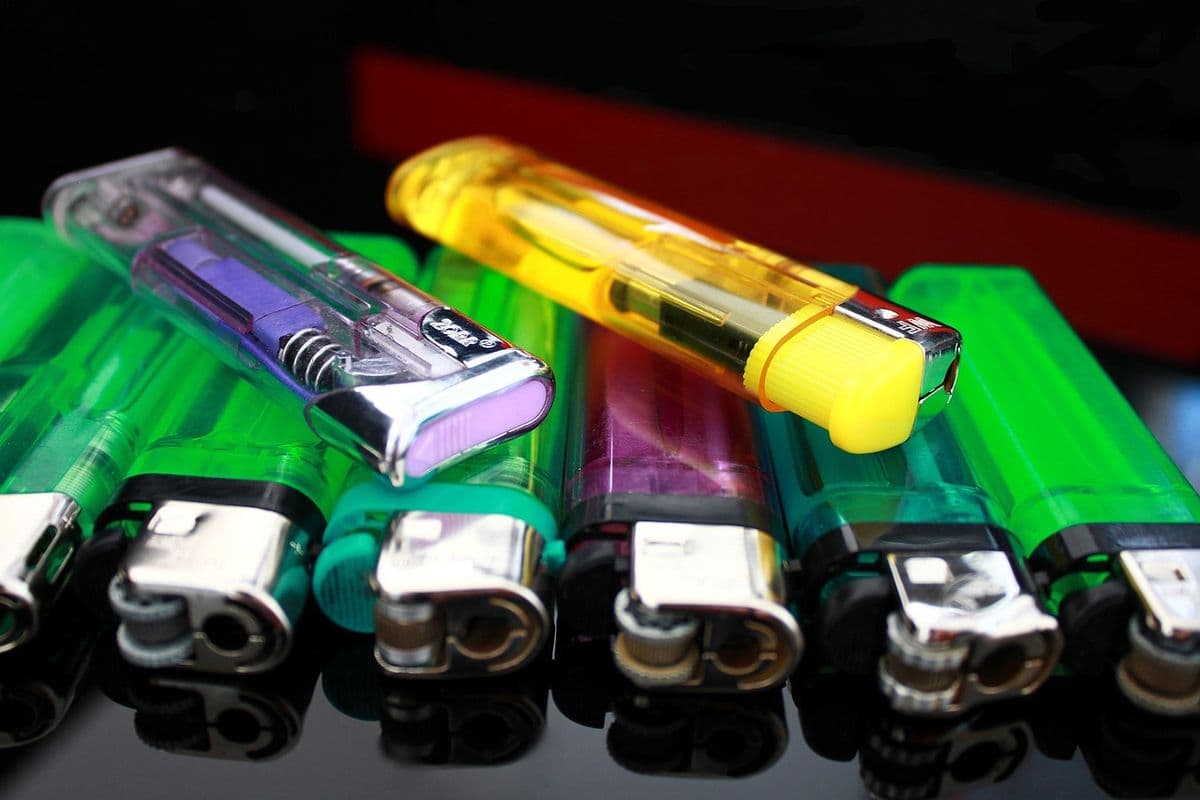
Disposable butane lighters (like BIC)
Zippo-style lighters (with fuel safely absorbed)
Arc or electronic lighters (must be in carry-on due to batteries)
In some cases, one small pack of safety matches is also allowed (on your person, not in bags).
What’s not allowed?
The following are usually prohibited:
Torch or jet-flame lighters
Grill or BBQ lighters
Lighters with uncontained liquid fuel
Novelty lighters (e.g., gun-shaped)
Lighter fluid or refills
If found, these items will be confiscated at security.
What about electric or plasma lighters?
Since these contain lithium batteries:
✔ Allowed in carry-on
✔ Allowed on your person
❌ Not allowed in checked baggage
❌ Cannot be used during the flight
Make sure they’re turned off and protected from accidental activation.
U.S. vs international rules
Within the U.S., the TSA rules are fairly consistent. Internationally, most countries follow similar guidelines set by IATA, but enforcement can vary.
Bottom line
You can bring a lighter on a plane in the U.S.—just make sure it’s the right type, carried properly, and not packed in checked luggage. When in doubt, keep it simple: one standard lighter, in your pocket or carry-on, and you’ll avoid most issues at security.
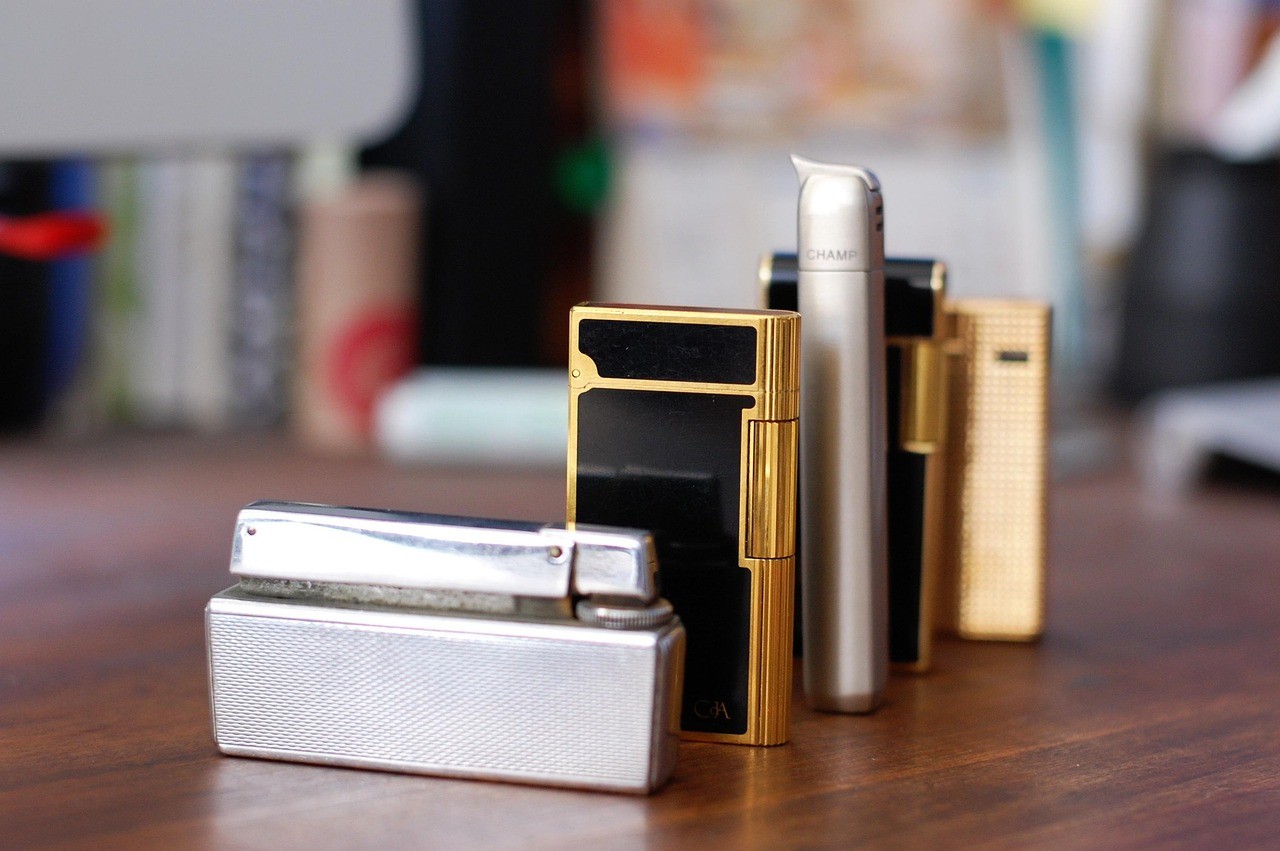
Image from gavilla from Pixabay.
Lighters on a plane: where you can (and can’t) carry them
Traveling with a lighter can be confusing, especially since rules vary between airports, airlines, and countries. However, the core principle is always the same: anything that contains flammable fuel is treated as a potential safety risk.
In the U.S., guidelines set by the TSA, make it clear that you can bring a lighter—but only if you follow specific rules about where and how you carry it.
Where you can carry a lighter
On your person (best option)
Keeping your lighter in your pocket is the safest and most widely accepted option. In many cases, security officers will even recommend that you carry it on you rather than placing it in your bag.
Why? Because if there’s ever an issue, crew members need to quickly identify and access it. A lighter stored in an overhead bin or deep inside a bag is harder to reach and monitor.
If you want to avoid any issues, keep it in your pocket after passing security.
In your carry-on bag
This is where rules can vary. In the U.S., the Transportation Security Administration generally allows one lighter in your carry-on, but enforcement can differ slightly by airport or airline.
Some security agents may still ask you to carry it on your person instead of leaving it in your bag. To avoid delays or confusion, it’s usually better not to rely on carry-on storage.
In checked baggage
Lighters are not allowed in checked luggage in most cases.
Airplane cargo holds are sensitive environments, and even a small fire risk—such as fuel vapors or accidental ignition—is taken seriously. If a lighter is detected during screening:
It will likely be removed
Your bag may be opened for inspection
In some cases, your luggage could be delayed
If you’re bringing a lighter, always keep it with you—not in your suitcase.
What happens if you pack a lighter in checked luggage?
If you accidentally leave a lighter in your checked bag, airport security may:
Confiscate the lighter
Stop your bag for manual inspection
Require you to remove it before departure
To avoid delays, always double-check your luggage before checking it in.
Can you bring an empty lighter?
Yes, an empty lighter is usually allowed in both carry-on and checked bags. However, “empty” can be subjective.
If security believes there’s still fuel residue inside, they may treat it as a full lighter and remove it.
To reduce the risk:
Make sure there’s no liquid inside
Let it air out before traveling
Be prepared for security to make the final call
When in doubt, carry it on your person.
How to carry your lighter correctly
Even though one lighter is allowed, you should follow a few basic guidelines:
Keep it in your pocket after security screening
Be ready to show it during inspection if asked
Make sure it’s not accidentally activated
Check airline-specific rules if you’re unsure
Taking a few seconds to prepare can save you from unnecessary hassle at the airport.
How many lighters can you bring?
Across most aviation authorities, including the TSA and IATA, the rule is simple:
One lighter per passenger.
Some airlines may apply stricter policies, so it’s always a good idea to check before you travel.
You can bring a lighter on a plane—but where you carry it matters. Keep it simple: one lighter, in your pocket, and you’ll avoid most issues at airport security.
You can bring a lighter on a plane — but you absolutely can’t smoke
While bringing a lighter onboard is allowed under certain conditions, using it is strictly prohibited. Smoking on a plane isn’t just against airline policy—it’s illegal in the U.S. and worldwide.
Lighting a cigarette, even in the lavatory, can trigger smoke detectors and create a serious safety risk.
What happens if you smoke on a plane?
Violating no-smoking rules can lead to serious consequences, including:
Heavy fines
Removal from the aircraft
Arrest upon landing
Being banned from future flights with that airline
Airlines and authorities take this very seriously because even a small fire onboard can quickly become life-threatening.
Why is it such a big deal?
Aircraft cabins and lavatories are tightly controlled environments. A fire—especially mid-flight—is one of the most dangerous situations possible.
That’s why strict no-smoking laws are enforced by agencies like the Federal Aviation Administration.
Why do airplanes still have ashtrays?
It might seem confusing, but ashtrays are still required by law. They’re there as a safety backup.
If someone breaks the rules and smokes, the ashtray provides a safe place to extinguish the cigarette instead of throwing it in the trash, which could start a fire.
Tips to manage cravings during a flight
If you’re a smoker, long flights can be challenging. Here are some practical ways to handle it:
Stay hydrated
Drinking water can help reduce cravings and keeps you comfortable during the flight.
Bring snacks or gum
Chewing gum or snacking can help distract you and curb the urge to smoke.
Keep yourself busy
Watch movies, read, listen to music, or play games to take your mind off it.
Use smoking areas before boarding
Many U.S. airports still have designated smoking zones—take advantage of them before your flight.
Can you vape on a plane?
No. E-cigarettes and vapes are also banned from use onboard.
Even though they don’t involve an open flame, they can still trigger smoke detectors. Using one during a flight can lead to the same penalties as smoking a cigarette.
You can bring a lighter on a plane—but using it is never allowed. If you’re traveling with one for later use (like camping), just make sure it’s packed correctly and follow all safety rules while flying.
From packing smart to flying smart: Know your passenger rights in the U.S.
Understanding what you can bring on a plane—like lighters or liquids—helps you get through security without issues. But even if you pack perfectly, things don’t always go as planned once you travel.
Delays, cancellations, overbooking, and baggage problems are more common than most travelers expect. That’s why knowing your passenger rights is just as important as knowing the security rules.
Flight delays and cancellations
In the U.S., airlines are not required to provide automatic compensation for delays. However, you still have important protections:
If your flight is canceled or significantly changed, you’re entitled to a full refund if you choose not to travel—even on non-refundable tickets
Airlines must offer rebooking at no extra cost if they cancel your flight
Meals or hotel accommodations may be provided, depending on the situation and airline policy
Denied boarding (overbooking)
If you’re involuntarily bumped from an overbooked flight:
You’re entitled to alternative transportation or a refund
You may also receive cash compensation, depending on the delay to your final arrival
Lost or delayed baggage
If your checked baggage is lost, delayed, or damaged:
Airlines are responsible up to federal liability limits
You should report the issue immediately and keep receipts for any essential purchases
Knowing what you can pack helps you avoid small issues at security. Knowing your rights helps you deal with the bigger ones when your trip doesn’t go as expected.
Because smart travel isn’t just about what’s in your bag—it’s about being prepared for the journey.
.jpg)

