- Blog
- Flight Terminology & Logistics
- What is a PNR? Discover Your Passenger Name Record
What is a PNR? Discover Your Passenger Name Record
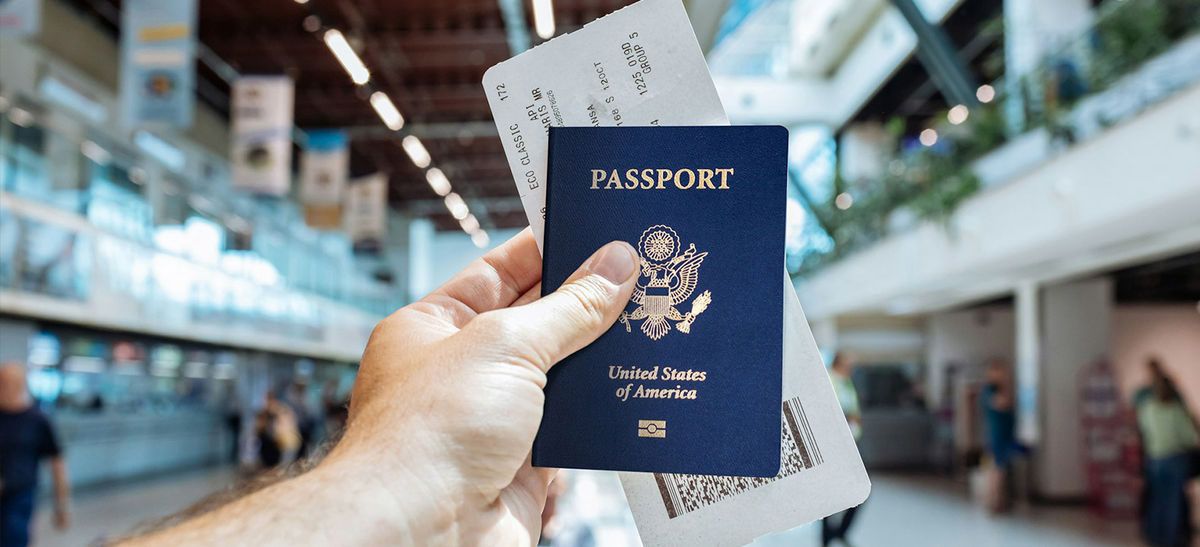
When planning a trip, all the terms and codes that come with booking a flight can feel confusing. One of the most important — and often overlooked — is the PNR number, or Passenger Name Record.
When you book a flight, you’ll usually see a reference to this code somewhere in your confirmation. It might seem like just another detail, but it actually plays a key role throughout your entire journey.
A PNR isn’t just a random mix of letters and numbers — it’s the main reference for your booking in the airline’s system. It brings together everything related to your trip, including your personal details, flight itinerary, and any special requests.
Understanding what a PNR number is — and how to use it — can make your travel experience much smoother. Whether you’re checking in, managing your booking, or dealing with delays, this small code gives you access to everything you need.
In this guide, we’ll break down what a PNR number is, why it matters, and how to use it so you can travel with more confidence and control.
Index
What is a PNR number and what does it mean?
A PNR number (Passenger Name Record) is a unique code linked to your flight booking. Think of it as your booking reference — the key that lets you access, manage, and track your trip.
Although many travelers overlook it, the PNR number plays an essential role throughout your journey. You’ll use it to:
Access your flight booking
Make changes to your itinerary
Check in online or at the airport
What does PNR stand for?
PNR stands for Passenger Name Record. It’s a digital record stored in the airline’s system that contains all the important details about your trip.
Your PNR connects everything in one place, including:
Flight details and itinerary
Passenger information
Contact details
Seat selection and special requests
This is why your PNR is so important — it gives you quick access to everything related to your booking.
Even though it may look like a random string of characters, your PNR number is what allows airlines to instantly find your reservation, update your details, and provide real-time information about your flight.
You’ll usually find your PNR in your confirmation email or on your e-ticket.
In simple terms:
PNR = your travel record
PNR number = the key to access it
What does a PNR number look like?
A PNR number is typically a short 6-character alphanumeric code, made up of uppercase letters and numbers.
Examples:
YBIRI7
AB12CD
K9L2XP
Key features:
Usually 6 characters long
Uses a mix of letters and numbers
Unique to each booking
You can find your PNR number in:
Your booking confirmation email
Your e-ticket
The airline’s website or app (under “My Booking”)
Keeping your PNR handy makes it much easier to manage your trip, make changes, and stay on top of your travel plans from start to finish.
When do you actually need a PNR number?
Most travelers use their PNR number without even realizing it. Anytime you log into an airline’s website, check in, or download your boarding pass, that six-character code is what pulls up your booking.
You’ll usually need your PNR when you want to:
Check in online
View or manage your booking
Change or cancel your flight
Request compensation for delays or cancellations
That said, you won’t always need to enter it. If you already have your boarding pass and everything goes smoothly, your PNR works in the background without you noticing.
How does a PNR relate to your itinerary?
Your PNR is closely linked to your itinerary, but they’re not exactly the same.
Your itinerary is your full travel plan — including flights, connections, and sometimes extras like hotels or transfers. Each part of that journey is known as a segment.
Your PNR acts as the reference that connects all those details together.
How this works depends on your booking:
Single airline: One PNR usually covers your entire trip
Multiple airlines (partnered): You may still have one shared PNR
Separate bookings: You might get different PNRs for each part of your trip
In short, your PNR is what ties your itinerary together — but depending on how you book, you could have one or multiple codes for a single journey.
What does a PNR usually include?
A PNR number isn’t just a code — it links to a detailed record in the airline’s system that stores all the key information about your trip in one place.
Core details in a PNR
Every Passenger Name Record includes the essential information needed to identify and manage your booking, such as:
Passenger name(s)
Flight itinerary (dates, times, routes)
PNR code (booking reference)
Ticket status (confirmed, issued, etc.)
These are the basics airlines use to keep your trip organized and running smoothly.
Additional information (if applicable)
Depending on your booking, your PNR may also include:
Contact details (email or phone number)
Payment information
Seat selection or meal preferences
Baggage allowance
Frequent flyer number
Booking updates or changes
Why it matters
Your PNR acts as the central hub for your travel details. It keeps everything connected, so you can easily check your flight, manage your booking, or make changes — all in one place.
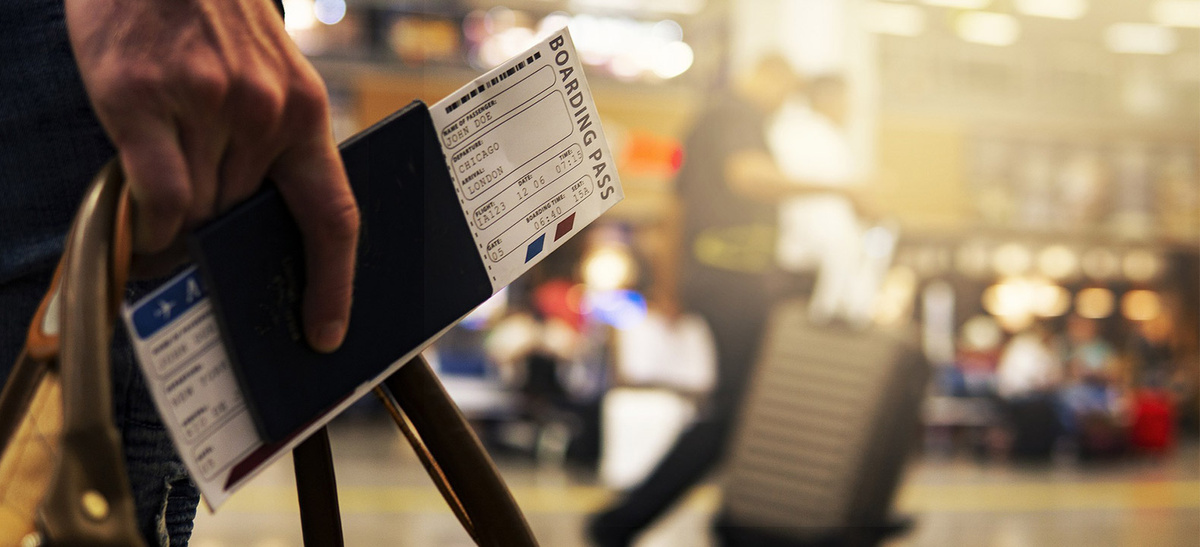
Image by JoshuaWoroniecki from Pixabay.
When do you receive a PNR number?
You receive your PNR number as soon as your flight booking is confirmed — usually right after payment is completed and your seat is secured.
In most cases, your Passenger Name Record will be:
Sent in your confirmation email
Displayed on the final booking screen
Included in your e-ticket or invoice
From that moment on, you can use your PNR to check in, manage your booking, or track your flight.
How to get your PNR code
If you book a flight online, your PNR is created automatically and shared with you right away. You’ll typically find it in:
Your confirmation email
An SMS (in some cases)
The airline’s app or booking platform
If you can’t find it, check your inbox (including spam) or log into the airline’s website. It’s also important to enter the correct email and phone number when booking to avoid missing your confirmation.
How is a PNR created?
A PNR is created at the start of the booking process — even before your ticket is officially issued. It’s a required step, since you can’t complete a reservation, make a payment, or check in without it.
How it’s created depends on how you book:
Directly with an airline: the PNR is generated in the airline’s system
Through a travel site or agency: the booking is created via a Global Distribution System (GDS), such as Amadeus or Sabre
These systems connect airlines and booking platforms, ensuring your reservation is stored and accessible.
Where is the PNR stored?
Your PNR is stored in airline reservation systems that manage all booking data. This can include:
The airline’s own system (CRS – Central Reservation System)
A GDS platform (if booked through a third party)
These systems allow airlines and partners to access, update, and share your booking details, ensuring everything stays synchronized throughout your journey.
The role of PNR numbers in managing bookings
Your PNR number is the key to managing your entire flight booking. It gives you quick and easy access to all your travel details in one place, making it much simpler to stay in control of your trip.
With your Passenger Name Record, you can:
View your flight details and itinerary
Check your booking or flight status
Check in online
Make changes to your reservation
Instead of relying on printed tickets, your PNR lets you manage everything digitally — faster, easier, and more flexible.
How to use a PNR code
Your PNR acts as your access code to the airline’s “Manage Booking” section. By entering it on the airline’s website or app, you can:
Download or reprint your boarding pass
Update your contact details
Choose or change your seat
Add baggage or extra services
Request special assistance
Even if you don’t have your ticket handy, your PNR allows you to retrieve all your booking information instantly.
When do you need your PNR number?
You’ll typically use your PNR when you need to:
Check in before your flight
Check flight status (delays, gate changes, timings)
Modify or cancel your booking
Contact the airline about your reservation
Manage connecting flights or additional services
It’s the fastest way for airlines to locate your booking and assist you.
Why your PNR number matters
Your PNR isn’t just a reference — it’s essential throughout your journey. It helps you:
Manage your booking easily
Complete check-in online or at the airport
Receive updates about delays or cancellations
Submit claims or request compensation if issues arise
In short, your PNR keeps your trip organized and ensures you can handle any changes or disruptions with ease.
How to find your PNR number
Finding your PNR number is quick and easy. As soon as you book a flight, the airline generates this code and shares it with you so you can access and manage your booking.
Where to find your PNR code
You can usually find your Passenger Name Record in:
Your booking confirmation email
Your e-ticket
Your boarding pass
The airline’s website or mobile app (under “My Booking”)
In some cases, it may also be sent via SMS after booking.
Your PNR is typically a 6-character alphanumeric code, often shown near your name or flight details. It may also appear under different names, such as:
Booking reference
Record locator
Reservation code
What if you have multiple flights?
If your trip includes multiple airlines, you might receive more than one PNR. This is normal — each airline may assign its own code for its part of the journey.
To avoid issues, keep all your PNR codes handy, especially when checking in or managing different parts of your trip.
How to check your PNR
Once you have your PNR, you can use it to access your booking and view key details, including:
Flight schedules and status
Seat assignments
Baggage and extras
Booking or ticket status
Simply enter your PNR on the airline’s website or app in the “Manage Booking” section to see all your flight information in one place.
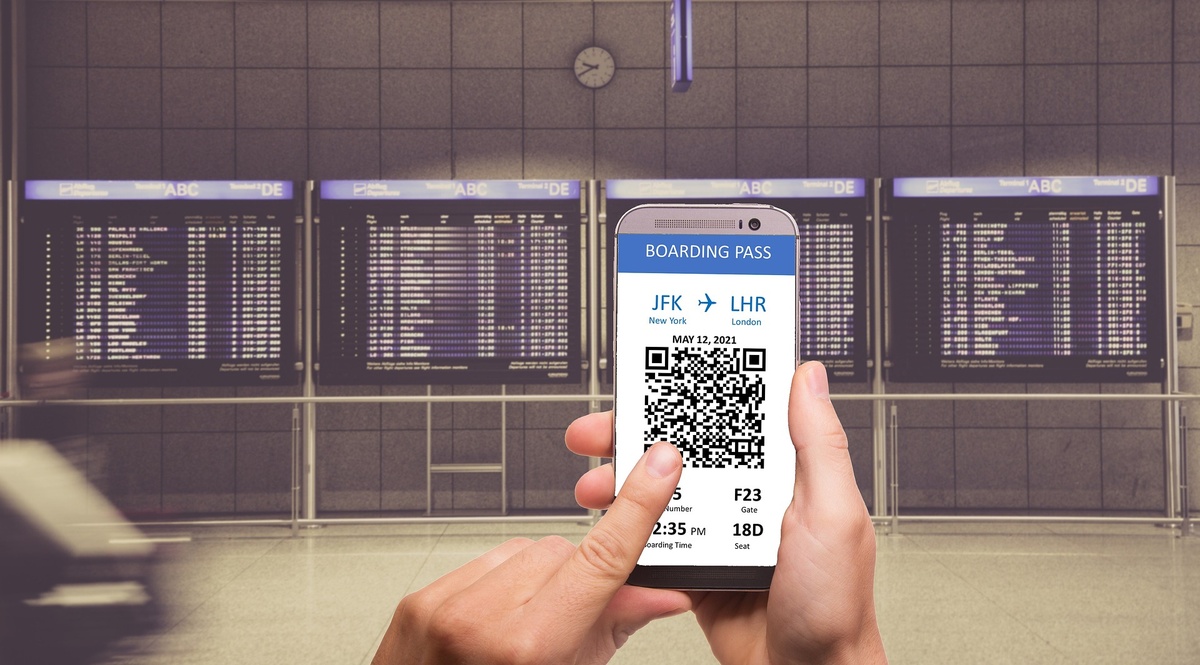
Image by Tumisu from Pixabay.
PNR vs other numbers on your ticket: What’s the difference?
When you look at your boarding pass or e-ticket, you’ll see several different codes. While they may look similar, each one has a specific purpose.
PNR vs booking (reservation) number
In most cases, your PNR and booking reference are the same — both are used to access your reservation.
However, in some systems they can differ slightly:
PNR number: stores your full itinerary and passenger details
Reservation number: may be used internally by airlines
For travelers, your PNR is the main code you’ll use.
PNR vs flight number
A flight number identifies a specific route, not your booking.
Flight number: identifies the flight (e.g. AA100)
PNR number: identifies your personal reservation
Many passengers share the same flight number, but each booking has its own PNR.
PNR vs ticket number
A ticket number is linked to your purchase, not your booking details.
Ticket number: a 13-digit code confirming payment (used for refunds or claims)
PNR number: used to manage your booking (check-in, changes, etc.)
In simple terms:
PNR = your booking record
Ticket number = proof of purchase
PNR vs e-ticket
These two are closely related but not the same:
PNR: the internal record of your booking
E-ticket: the document confirming your seat
The PNR is created first, and your ticket is issued afterward and linked to it.
Key takeaway
PNR (booking number): manages your reservation
Flight number: identifies the flight route
Ticket number: confirms payment
Understanding these differences makes it easier to manage your trip and avoid confusion when checking in or contacting the airline.
From managing your booking to knowing your rights
Understanding your PNR number helps you stay in control of your flight — from checking in to managing your booking. But even when everything is organized, travel doesn’t always go as planned.
Delays, cancellations, overbooking, and baggage issues can still happen. That’s where knowing your passenger rights becomes just as important as knowing your booking details.
Flight delays and cancellations
In the U.S., airlines aren’t required to offer automatic compensation for delays. However, you still have important protections:
If your flight is canceled or significantly changed, you’re entitled to a refund if you choose not to travel — even on non-refundable tickets
Airlines must offer rebooking at no extra cost if they cancel your flight
Meals or hotel stays may be provided, depending on the situation
Denied boarding (overbooking)
If you’re bumped from a flight against your will:
You’re entitled to a refund or alternative transportation
You may also receive compensation, depending on the delay caused
Lost or delayed baggage
If your checked luggage is lost, delayed, or damaged:
Airlines are responsible up to federal liability limits
You should report the issue immediately and keep receipts for essential purchases
Knowing your PNR helps you manage your trip. Knowing your rights helps you handle disruptions. Because smart travel isn’t just about booking — it’s about being prepared for anything along the way.