- Blog
- Flight Terminology & Logistics
- How Fast Do Planes Fly? Takeoff Speeds, Flight Records & More
How Fast Do Planes Fly? Takeoff Speeds, Flight Records & More

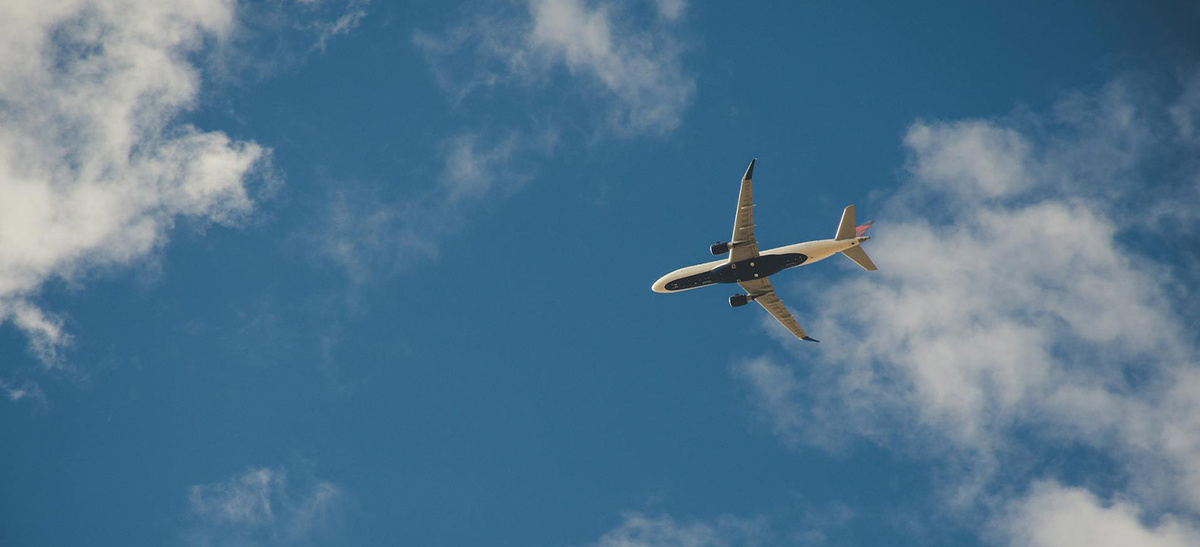
Ever wondered how fast airplanes really fly? Whether you’re watching a jet pass overhead or settling into your seat before takeoff, aircraft speed is both impressive and easy to overlook. From the moment a plane accelerates down the runway to when it cruises miles above the ground, it’s moving faster than most people realize. In this guide, we’ll explain how fast planes travel during takeoff, cruising, and landing—and compare different types of aircraft to see how they stack up in terms of speed.

Image by wzdigiphoto from Pixabay.
How fast do commercial airplanes fly?
Commercial airplanes are some of the most advanced machines in modern transportation, built to carry hundreds of passengers safely across long distances. One of their most impressive features is their speed—but how fast are they actually going?
What is a commercial airplane?
A commercial airplane is a non-military aircraft used to transport passengers or cargo between airports. These are the planes most people fly on for vacations, business trips, or visiting family.
What affects how fast a plane flies?
Several key factors influence an airplane’s speed:
Altitude: At higher altitudes, the air is thinner, which reduces drag and allows planes to fly faster and more efficiently.
Wind: A tailwind (wind pushing from behind) increases speed over the ground, while a headwind slows the aircraft down.
Engine power (thrust): More powerful engines allow aircraft to reach higher speeds.
How is airplane speed measured?
Pilots use different measurements to track speed, usually in knots (1 knot ≈ 1.15 mph):
Indicated Airspeed (IAS): The speed shown on cockpit instruments in real time.
True Airspeed (TAS): The aircraft’s actual speed through the air, especially relevant at high altitudes.
Ground Speed (GS): How fast the plane is moving relative to the ground, affected by wind.
Calibrated Airspeed (CAS): IAS corrected for instrument errors.
Mach number: Used at high speeds, comparing the aircraft’s speed to the speed of sound.
Typical speeds of commercial planes
Airplanes fly at different speeds depending on the phase of the flight:
Takeoff speed
Takeoff speed depends on the aircraft and conditions. For example, a Boeing 737 typically takes off at around 150–160 mph. Flaps are extended to increase lift and help the plane leave the ground safely.
Landing speed
Landing speeds are lower to ensure a safe touchdown. A Boeing 737 usually lands at about 120–160 mph, using flaps and spoilers to slow down.
Cruising speed
Once at cruising altitude (around 35,000 feet), planes maintain a steady speed for efficiency.
A Boeing 737 cruises at about 560 mph
Aircraft like the Airbus A320 fly at similar speeds
At these altitudes, thinner air reduces resistance, allowing planes to travel faster while using less fuel.
Maximum speed
Commercial planes can go faster than their cruising speed, but they rarely do.
An Airbus A320 can reach close to 600 mph
Larger aircraft like the Airbus A380 can exceed 700 mph at top speed
However, flying faster significantly increases fuel consumption, so airlines stick to speeds that balance efficiency and cost.
The impact of wind
Wind can dramatically affect flight time:
Tailwinds can push planes faster, shortening travel time
Headwinds can slow them down, sometimes adding significant delays
Pilots and flight systems constantly adjust for these conditions.
Fuel efficiency and speed
Speed and fuel use are closely connected. Airlines choose cruising speeds that minimize fuel burn while keeping flights on schedule. This helps reduce costs and environmental impact.
Maximum speeds of popular commercial planes
Here’s how some well-known aircraft compare:
Airbus A380: ~737 mph
Boeing 747: ~614 mph
Boeing 737: ~588 mph
These are near their maximum speeds—typical flights operate slightly slower.
Why don’t planes always fly at top speed?
While planes are capable of going faster, doing so burns significantly more fuel and increases operating costs. Airlines aim for a balance between speed, efficiency, and safety, ensuring you arrive on time without unnecessary expense.
In short, commercial planes are incredibly fast—but their speed is carefully managed to deliver the most efficient and reliable travel experience possible.
How fast do other airplanes fly? A complete guide to aircraft speed
When it comes to flying, speed is one of the biggest factors that shapes your travel experience. But how fast do different types of aircraft actually go? From commercial airliners and private jets to high-speed military aircraft, here’s a breakdown of airplane speeds—and what affects them.
Private jets vs. commercial aircraft
Private jets are usually faster than commercial planes, thanks to their lighter weight and powerful engines.
Typical speeds: 600–700 mph
Example: Gulfstream G650 cruises at about 610 mph
They’re designed for speed and flexibility, often flying higher and taking more direct routes.
Military jets: the fastest aircraft in the sky
Military aircraft operate in a completely different league.
The F-22 Raptor can exceed 1,500 mph
Many military jets fly at Mach 2+ (twice the speed of sound)
The fastest jet ever built, the SR-71 Blackbird, reached speeds over 2,100 mph (Mach 3.3).
Aircraft speed by type
Here’s a quick comparison of typical speeds:
Commercial jets: 500–600 mph
Private jets: 600–700 mph
Propeller planes: up to 300 mph
Helicopters: 150–250 mph
Military jets: 1,200–2,100+ mph
Single-engine planes: 120–300 mph
Cargo planes: 500–600 mph
Breaking the sound barrier
The speed of sound at sea level is about 767 mph. When an aircraft exceeds this, it enters supersonic flight and creates a sonic boom.
Only a few aircraft are built for this, including military jets and the retired Concorde.
How fast was the Concorde?
The Concorde could fly at over 1,350 mph (Mach 2), cutting a New York–London flight to under 3.5 hours. Although it was retired in 2003, it remains one of the most iconic aircraft ever built.
Aviation speed records
Fastest manned jet: SR-71 Blackbird – 2,100+ mph
Fastest aircraft ever: North American X-15 – over 4,500 mph
Fastest interceptor: Mikoyan-Gurevich MiG-25 – 2,190 mph
The future of flight speed
While commercial aviation focuses on efficiency and cost, new technologies are pushing boundaries again. Advances in aerodynamics, engines, and sustainable fuels could bring back supersonic travel—or even introduce hypersonic passenger flights in the future.
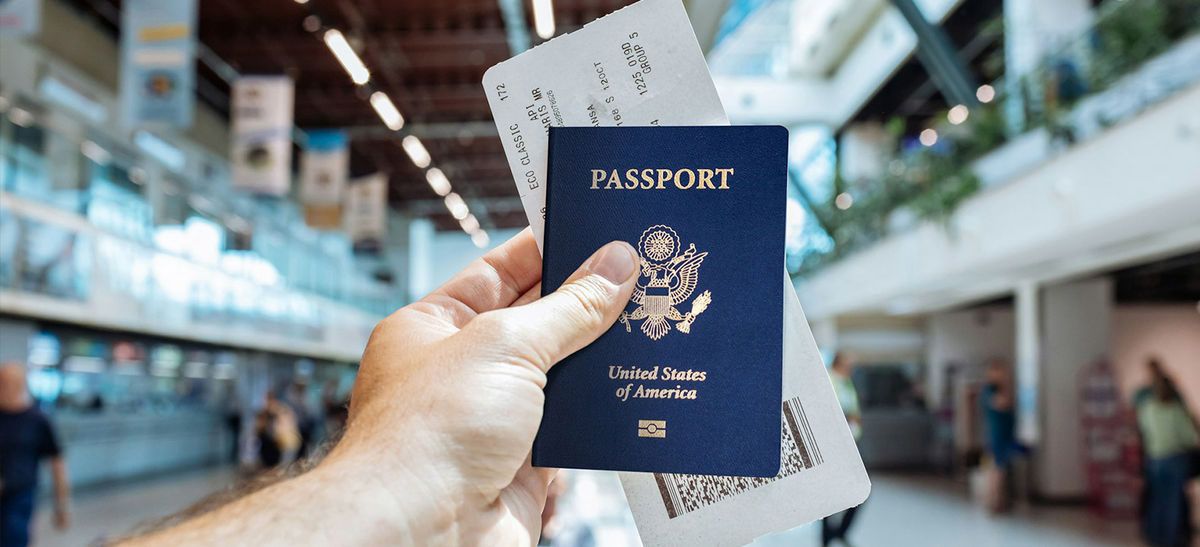
From understanding how fast planes fly to flying smarter: Know your passenger rights in the U.S.
Learning how fast airplanes fly gives you a better appreciation for how air travel works — but even the most advanced aircraft and carefully planned journeys can run into disruptions.
Delays, cancellations, overbooking, and baggage issues can affect any trip, which is why understanding your air passenger rights is just as important as understanding the mechanics of flying.
Flight delays and cancellations
In the U.S., airlines generally aren’t required to automatically compensate passengers for delays, but you still have important protections:
If your flight is canceled or significantly changed, you may be entitled to a full refund if you choose not to travel — even on many non-refundable tickets.
Airlines must offer rebooking at no extra cost when they cancel a flight.
Depending on the airline and situation, you may receive meal vouchers or hotel accommodations.
Denied boarding (overbooking)
If you’re involuntarily bumped from an overbooked flight:
You may be entitled to alternative transportation or a refund.
You could also qualify for cash compensation, depending on how much your arrival is delayed.
Lost or delayed baggage
If your checked baggage is lost, delayed, or damaged:
Airlines may be responsible up to federal liability limits.
Report the issue immediately and keep receipts for essential purchases while waiting for your bags.
Understanding aircraft speed helps explain the journey. Understanding your rights helps protect it.
Because smart travel isn’t just about how fast your plane flies — it’s about being prepared for what happens if your trip doesn’t go according to plan.