- Blog
- Travel Tips & Hacks
- Flying with pets: which airlines allow pets in the cabin in 2026
Flying with pets: which airlines allow pets in the cabin in 2026

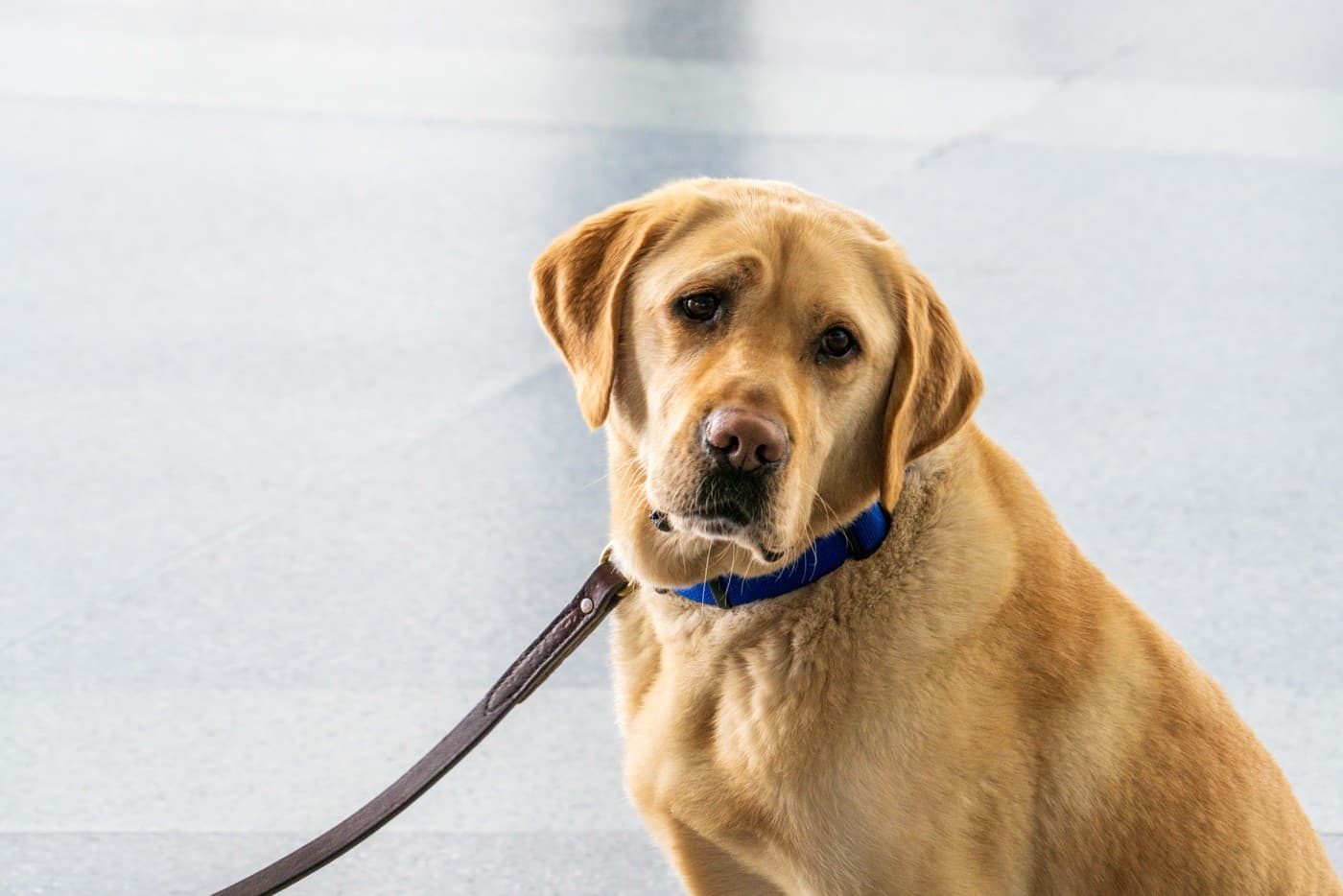
Worried your dog or cat won't be allowed on the plane, or will have to ride in the hold? Here's the short answer: most big European airlines let small pets fly in the cabin with you, and the paperwork for flying with pets inside the EU comes down to a microchip, a rabies shot, and an EU pet passport.
The catch is in the details. Weight limits, carrier sizes, and a big rule change in April 2026 can all trip you up. This guide covers which airlines allow pets in the cabin, what paperwork you need, and how to keep your pet calm on the day.
Flying with pets at a glance
Usually allowed ✅ | Usually not allowed ❌ |
|---|---|
Small dogs and cats in the cabin, up to about 8 kg including the carrier | Pets on Ryanair, easyJet, or Wizz Air (only assistance dogs) |
Bigger pets in the hold on full-service airlines | Pets in the cabin on any flight into the UK |
Traveling between EU countries with an EU pet passport | Getting an EU pet passport if your main home is outside the EU |
Trained assistance dogs in the cabin, usually free | Letting your pet out of its carrier during the flight |
Up to five pets on a personal (non-commercial) trip | Crossing most EU borders with a puppy or kitten under 15 weeks |
The core rules for flying with pets
Where do pets go on a plane? Cabin, hold, or cargo
Airlines carry pets in one of three ways:
In the cabin. Your pet stays in a soft carrier under the seat in front of you. Most airlines cap this at 8 kg for pet and carrier together.
In the hold. Larger pets travel in a hard crate in a heated, pressurized part of the hold. You check them in at the desk and collect them on arrival.
As cargo. Your pet flies as a separate shipment, booked through the airline's cargo team or a pet transport agent. On some routes, this is the only option.
The EU pet passport: do it in this order
To travel between EU countries, dogs, cats, and ferrets need an EU pet passport. It's a small booklet from your vet that records your pet's microchip and rabies vaccination. It stays valid for life, as long as the rabies shots are kept up to date.
The order matters:
Microchip first. The chip must go in before the rabies shot, or on the same day.
Rabies vaccination. Your pet must be at least 12 weeks old.
Wait 21 days. After a first rabies shot, your pet can't travel for at least 21 days.
Get the passport. An authorized vet fills it in. Bring it every time you fly.
Flying to Finland, Ireland, Malta, or Norway with a dog? Add a tapeworm treatment from a vet 1 to 5 days before you arrive. Coming into the EU from outside? You'll need an EU animal health certificate instead, issued no more than 10 days before your pet arrives. You can check the rules for your exact route on the EU's official Your Europe pet travel page.
Which airlines allow pets in the cabin?
Planning to fly with your dog or cat in the cabin? These are the main airlines that say yes, and the ones that don't.
Airline | Pets in cabin? | Cabin limit (pet + carrier) | Good to know |
|---|---|---|---|
Lufthansa | Yes | 8 kg | Roomier carrier allowance: 55 x 40 x 23 cm |
Air France | Yes | 8 kg | Soft bags only, max 46 x 28 x 24 cm |
KLM | Yes | 8 kg | Snub-nosed breeds can't fly in the hold |
ITA Airways | Yes | 10 kg | Larger dogs allowed on selected flights within Italy |
Vueling | Yes | Small pets only | No hold option, carrier max 45 x 39 x 21 cm |
Volotea | Yes | 10 kg | No hold option, carrier max 50 x 40 x 20 cm |
British Airways | Assistance dogs only | – | Pets fly as cargo through IAG Cargo |
Ryanair, easyJet, Wizz Air | Assistance dogs only | – | No pets in the hold either |
Rules checked October 2026. Airlines update their pet policies often, so confirm on your airline's site before you book.
Exceptions and edge cases
Flying into the UK. UK rules ban pets from the cabin on flights arriving in the country, whatever airline you choose. Pets must arrive as cargo on approved routes. Trained assistance dogs are the exception. Flights leaving the UK can be different, depending on the airline.
You live outside the EU. Since April 22, 2026, vets can only issue EU pet passports to people whose main home is in the EU. If you live elsewhere, including Great Britain, plan on getting an animal health certificate for each trip into the EU.
Snub-nosed breeds. Pugs, French bulldogs, Persian cats, and similar breeds can struggle to breathe in the hold, so many airlines won't carry them there. If your pet is too heavy for the cabin, you may need a different route or a pet transport specialist.
Big dogs. Some airlines are starting to relax weight limits. Since August 2026, ITA Airways has let large dogs sit in the cabin without a carrier on selected flights within Italy: up to 30 kg in Business and up to 15 kg in Economy. You buy two tickets so your dog gets its own space.
Assistance dogs vs emotional support animals. Trained assistance dogs fly in the cabin free on most airlines. Emotional support animals usually count as regular pets in Europe, so the normal rules and fees apply.
Connecting flights. Every airline on your trip must accept your pet. Check each leg, especially if a partner airline operates part of the journey.
Long-haul trips. Countries like the US, Australia, and Japan set their own import rules, and some take months to prepare for. Start with the destination's official guidance.
Practical tips for a calm flight
Worried flying is too stressful for your pet? Many healthy cats and dogs cope well with a short flight in the cabin, but it's still a big day for them. Ask your vet whether your pet is fit to fly, especially if it's older, anxious, or a snub-nosed breed.
Book your pet right away. Airlines only allow a few pets per cabin, first come, first served. Add your pet as soon as you buy your ticket.
Weigh everything at home. Put your pet in the carrier and step on the scale. A few hundred grams over can mean the hold, or no flight at all.
Make the carrier feel like home. Leave it open at home for a few weeks with a blanket and treats inside.
Skip the sedatives unless your vet says otherwise. They can affect breathing and balance in the air.
Plan for security. You'll usually lift your pet out and carry them through the scanner while the carrier is X-rayed. A snug harness and leash help, especially with cats.
Pack smart. Bring the pet passport, a spare absorbent pad, treats, and a collapsible bowl. Pet food and water count toward your carry-on, so check the hand luggage rules before you pack.
Watch your paperwork dates. An animal health certificate gives you a 10-day window to arrive in the EU. If your flight is canceled and you're rebooked days later, check it's still valid. It's also worth knowing what you need at the border under the EU's new Entry/Exit System.
A long delay is hard on a pet stuck in a carrier, and on you. If your flight arrives 3 hours late or more, you could be owed up to €600, so see what you can claim after a flight delay of 3 hours or more.