- Blog
- EES is here: what the EU’s new border system means for your summer trip
EES is here: what the EU’s new border system means for your summer trip


Good news first: if you’re heading to Europe this summer, there’s almost nothing you need to do in advance for the EU’s new Entry/Exit System (EES). The one real change is that your first arrival now includes a quick biometric check instead of a passport stamp — so be ready for a short extra step at the border, and build in a little buffer if you’ve got a tight onward connection.
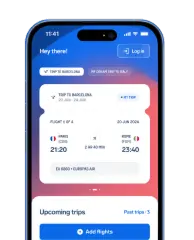
Top tip: the smartest prep isn’t at the border at all — it’s having a flight tracker in your pocket that warns you about delays before the boards do, and tells you the moment a disruption means you’re owed money. Introducing the free AirHelp app.

Now let’s take a glance at the calm, practical version of EES: what it is, who it affects, what actually happens at the border, and how to keep your summer trip moving.
At a glance: EES vs ETIAS
These two new systems get muddled constantly, so let’s separate them up front:
EES (here now) | ETIAS (coming later in 2026) | |
|---|---|---|
What it is | A biometric border check at arrival | A pre-travel authorization, applied for online |
What you do | Nothing in advance; register at the border | Apply online before you travel; pay €20 |
When | Fully live since April 2026 | Expected late 2026 (Q4) |
Validity | Per crossing; record kept | 3 years (or until your passport expires) |
What is the EES?
The Entry/Exit System is the EU’s shift from ink to digital. Instead of a border officer stamping your passport, the system creates a digital record of your trip — capturing your facial image and fingerprints the first time you enter, then logging each entry and exit automatically after that. It covers all 29 countries using the system, across air, sea and land borders.
The point of it is accuracy. The record automatically tracks the well-known "90 days in any 180-day period" limit for short stays, which makes overstays much harder to do by accident and identity fraud much harder to attempt. The full official detail lives on the EU’s Travel to Europe EES page and the European Commission’s EES page.
Who does it apply to?
EES applies to non-EU travelers taking short trips (up to 90 days) into the Schengen Area — whether or not you normally need a visa. So visitors from the UK, US, Canada, Australia and dozens of other countries will all register. A few things worth knowing:
EU and Schengen-country nationals are not affected — they keep using their usual lanes.
Children under 12 have their photo taken but are exempt from fingerprinting.
Ireland and Cyprus are outside the Schengen EES, so trips to those two countries work differently.
Long-stay visa and residence-permit holders aren’t registered in the system.
What happens at the border?
The first time you arrive after EES went live, you’ll register your biometrics — a facial photo and fingerprints — at a kiosk or border booth. It takes a couple of minutes and replaces the old passport stamp. On future trips, the system already has your details, so crossings are a quick verification rather than a full registration. That’s the whole experience: a one-time setup, then faster checks each time after.
EES changes the border — not your rights
Here’s the part that gets lost in the queue headlines: the new border system changes the admin, not your protection. If your flight into or out of Europe is delayed by 3 hours or more, canceled at short notice, or overbooked, your right to up to €600 under EC 261 is exactly the same as it was before EES existed. A longer queue at the kiosk is on the border, not the airline — but a delayed or canceled flight still very much owes you. You can see when the airline has to pay up in our guide to flight delay compensation.
And this is exactly why the smartest thing in your travel kit isn’t at the border — it’s on your phone. The free AirHelp app tracks your flight in real time, warns you about delays and gate changes before the departure boards do, and — the part no border app does — automatically checks whether a disruption means you’re owed compensation, then lets AirHelp’s experts claim it for you. It’s become a genuine travel staple: the app passed 1 million downloads in its first year, with travelers running more than 5 million flight searches between them. Add your trip and it quietly watches your flight — and your wallet — in the background.

Will EES cause airport delays?
Honestly, it can — mostly on first-time registrations and at peak periods. During the rollout some airports reported noticeably longer queues as the extra step bedded in, and the EU built in a safety valve: countries can temporarily pause EES checks for up to 90 days (with a possible 60-day extension) during busy spells to keep crowds moving. Lisbon and the Port of Dover have already used that flexibility. So your experience can vary border to border — but the fixes are squarely in your hands:
Allow extra time on arrival. You can’t control when you land, but you can plan for a slower border — especially on your first post-EES trip. Leave a generous buffer before any onward connection, transfer or booking, rather than banking on a quick walk-through.
Keep your passport in good shape. The kiosks read your passport’s chip and photo page; a damaged passport can slow you down or stall an automated gate.
Track your flight. Knowing your real arrival time helps you plan the border queue — the AirHelp app tracks your flight in real time, flags gate changes and delays, and even shows where your inbound aircraft is with its "Where is my plane?" feature.
And for the days when a long queue or a knock-on delay does leave you stuck, AirHelp+ turns the wait into something far more bearable: membership gets you into 1,300+ airport lounges worldwide when your flight is delayed an hour or more — a quiet seat, a coffee and decent Wi-Fi instead of a crowded gate. Members also get fast, fixed payouts when a flight is disrupted (€100 for a major delay, €200 for a missed connection, €100 for delayed luggage), on top of any EC 261 compensation, claimed with no service fee taken.

EES vs ETIAS: what’s coming next
EES is only half of the EU’s border upgrade. The second half, ETIAS, is the one you’ll eventually need to act on — but not yet. ETIAS is a pre-travel authorization (similar to the US ESTA), expected to launch in the last quarter of 2026. When it arrives, visa-exempt travelers will apply online before their trip, pay a €20 fee, and receive an authorization valid for three years — or until their passport expires. It’s free for travelers under 18 and over 70, and a single authorization covers multiple trips during its validity.
Two things to hold onto. First, ETIAS isn’t live yet, so any website asking you to "apply for ETIAS" today is not legitimate — only ever use the official EU site when it opens. Second, when it does launch, there’ll be a transitional period, so you won’t be turned away overnight. For now, EES is the only system in play, and it needs nothing from you before you fly.
Frequently asked questions
What is the EES?
The Entry/Exit System is the EU’s digital border system, fully operational since April 2026. It replaces passport stamps with a digital record, capturing your facial image and fingerprints on first entry and logging every entry and exit to track the 90/180-day limit.
Do I need to register for EES before I travel?
No. There’s nothing to do in advance — you register at the border on arrival. You can optionally pre-load your details in the EU’s Travel to Europe app where it’s available, which can save time at the kiosk, but it’s not required.
Does EES apply to me?
If you’re a non-EU national taking a short trip (up to 90 days) into the Schengen Area, yes — visa-exempt or not. EU and Schengen nationals are exempt, as are long-stay visa and residence-permit holders. Ireland and Cyprus are outside the EES.
What’s the difference between EES and ETIAS?
EES is a biometric check you complete at the border, live now. ETIAS is a pre-travel authorization you’ll apply for online (€20, valid 3 years), expected late 2026. EES tracks your crossings; ETIAS pre-screens you before you travel.
Avoid travel-day surprises
New border, same golden rule: the more you know before you fly, the smoother your day. Track your flight, plan your buffer around the border queue, and travel with a safety net — the AirHelp app keeps you ahead of delays, and if disruption does strike, flags when you’re owed up to €600 in compensation and lets our experts claim it. Avoid travel-day surprises and protect your flights with AirHelp+.