- Blog
- Flight Terminology & Logistics
- Can planes reverse? Why jets need a pushback tug
Can planes reverse? Why jets need a pushback tug
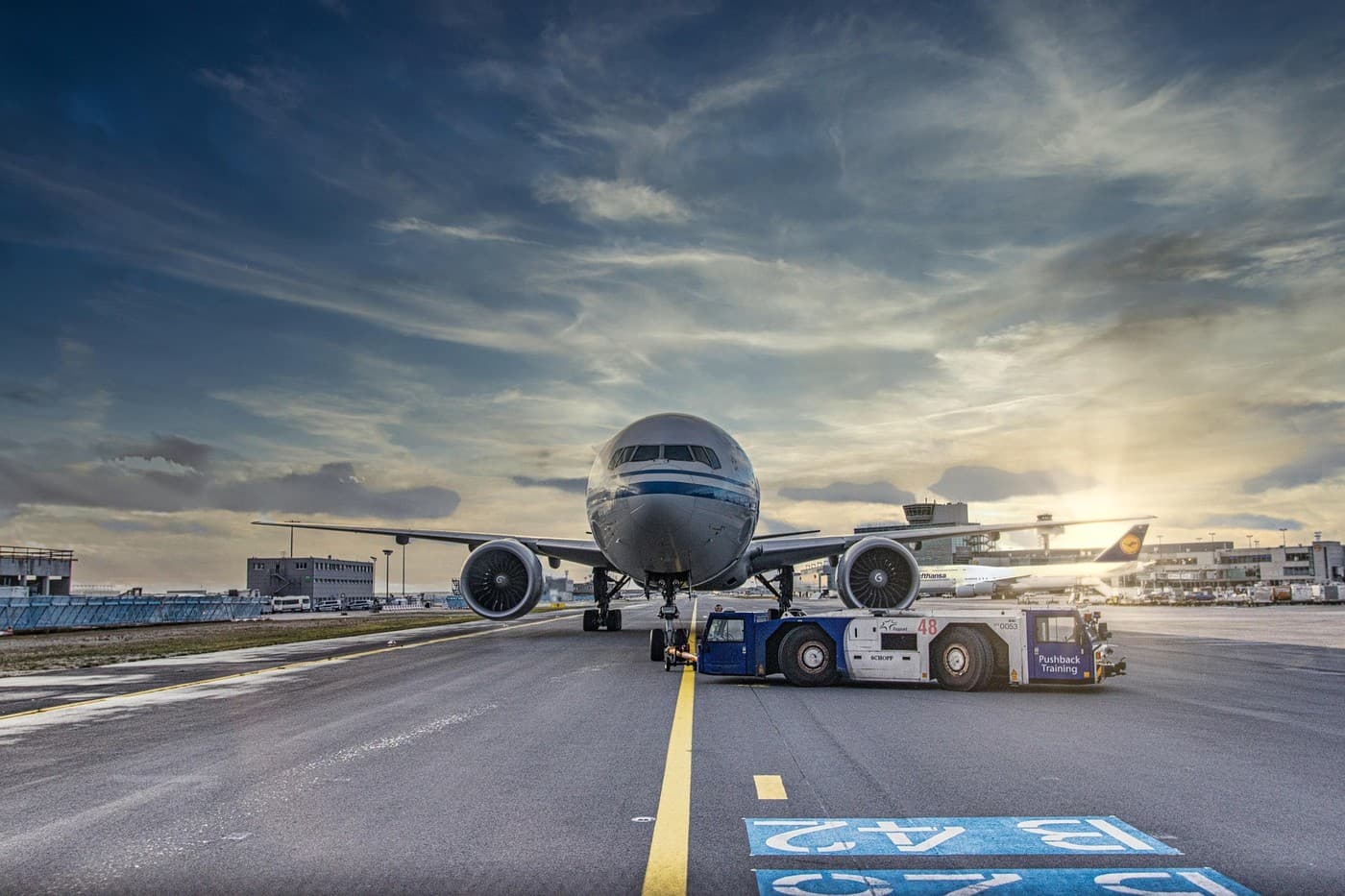
In practice, no. Passenger jets don't have a reverse gear, so a small, powerful vehicle called a pushback tug pushes them back from the gate. Jets do have reverse thrust, but that's for slowing down after landing, not for backing up.
Here's the surprisingly simple reason, and what pushback means for your trip.
Can planes reverse on their own?
A plane's wheels aren't powered. Unlike a car, there's no engine turning the wheels and no gearbox to shift into reverse. The wheels simply roll.
What moves a jet is its engines, which push air backward to drive the plane forward. That works brilliantly for taxiing and flying, but it only pushes one way.
That's why, when you look out of the window at the gate, you'll usually see a tug hooked up to the plane's nose wheel. Its job is to push the plane back far enough for it to turn and taxi forward under its own power.
What is reverse thrust for?
Just after landing, you may hear the engines roar and feel the plane slow down firmly. That's reverse thrust. Panels on the engines open and redirect the airflow forward, helping the brakes stop the plane on the runway. Airliners have safeguards that stop the reversers from opening in the air.
In theory, reverse thrust could also push a plane backward from the gate. This is called a powerback. Some airlines did it for years, mostly with jets whose engines sat high at the tail, like the MD-80. Most had stopped by the mid-2000s, for good reasons:
Jet blast. The engines blow air and debris toward the terminal, other planes, and the ground crew.
Engine damage. Reversing can kick up stones and grit that get sucked into the engines.
Wasted fuel. A powerback burns far more fuel than a tug.
No rear view. Pilots can't see behind the plane, so they need ground crew to guide them either way.
Compare | Pushback tug | Powerback (reverse thrust) |
|---|---|---|
How it works | A ground vehicle pushes the plane by its nose wheel | The plane's own engines blow air forward |
Used today? | Yes, at almost every airport | Rarely, if ever, for passenger jets |
Fuel | The plane's engines are barely used | Burns extra fuel |
Safety | Ground crew control every move | Jet blast and debris risk |
Can any planes reverse?
Some can. Many propeller planes can change the angle of their propeller blades to push air forward and roll backward. Some large military transport planes can reverse too. But even where it's possible, passenger airports almost always use a tug.
What does pushback mean for you as a passenger?
Pushback is the first real sign your trip has started. Here's what's going on:
The cabin is ready. The doors are closed and the crew have checked the cabin, so stay seated with your seat belt fastened. Curious about those checks? Here's why window shades go up for takeoff and landing.
Someone is guiding the plane. A ground crew member stays in touch with the pilots by headset while the tug does the work. Air traffic control has to clear the plane to push back too. Learn more about what air traffic control does.
You may hear the engines start. Pilots often start the engines during or just after pushback, so a rising hum is normal.
Your departure time usually means pushback. Airlines count a flight as departed when it leaves the gate, not when it takes off. So a flight can leave "on time" and still wait a while before takeoff.
That last point matters if your trip is disrupted. Under EU rules, a delay is measured by when you arrive, once the doors open at your destination, not by when you push back. If you arrive 3 hours or more late for a reason within the airline's control, you could be entitled to up to €600. Learn more in our guide to flight delay compensation.
Frequently asked questions about planes reversing
Do planes have a reverse gear?
No. A plane's wheels aren't powered, so there's no gearbox to shift into reverse. Jets move forward using engine thrust, and a tug handles backing out of the gate.
Can planes reverse in the air?
No. A plane needs air flowing over its wings to stay up, so it can only fly forward. In a very strong headwind, a small, slow plane can look like it's drifting backward over the ground, but it's still flying forward through the air.
Why don't planes use reverse thrust to push back?
Some can, but it blows air and debris at the terminal and ground crew, risks damaging the engines, and burns extra fuel. A tug is safer, cheaper, and quieter.
Who is the person with the headset under the plane?
That's a member of the ground crew. They talk to the pilots during pushback, check that the area around the plane is clear, and confirm when the tug has been disconnected.