- Blog
- Why do window shades have to be up for takeoff and landing?
Why do window shades have to be up for takeoff and landing?

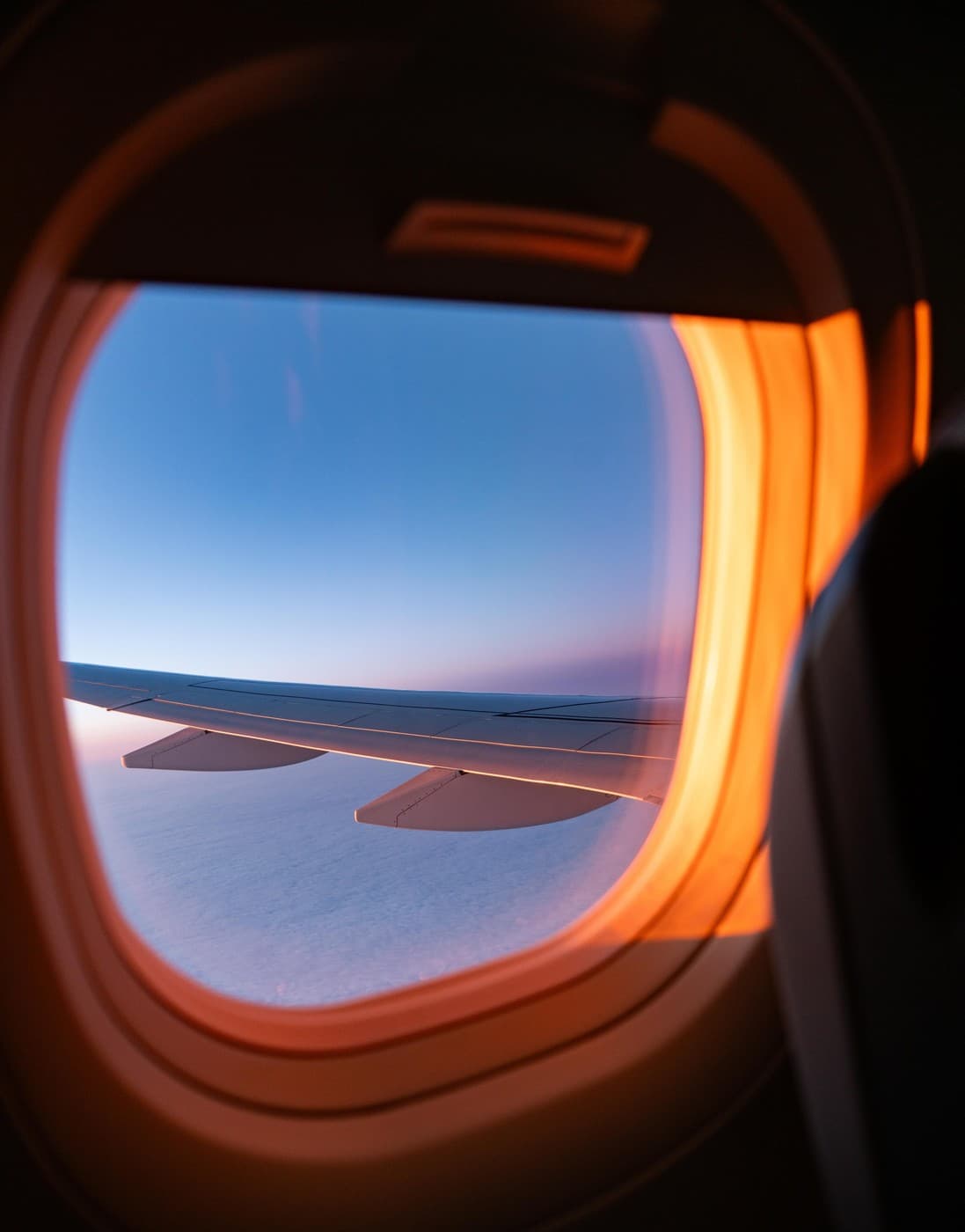
Window shades have to be up for takeoff and landing so the cabin crew can see outside if something goes wrong. In an emergency, they need to spot fire, smoke, or debris in seconds and decide which exits are safe to open. Open shades also help your eyes adjust to the light outside and let rescue teams see into the cabin.
Here's how it works, plus what the other takeoff and landing rules are for.
Why do window blinds have to be up on a plane?
Takeoff and landing are the most demanding parts of any flight. The plane is close to the ground and moving fast, so there's less time to react if something unexpected happens. For a sense of the speeds involved, see our guide to how fast planes fly during takeoff, cruising, and landing.
That's why most cabin rules kick in at these 2 moments, so the cabin is ready if the crew ever need to get everyone off quickly.
Cabin crew sit in jump seats beside the exits, where they often can't see much outside. Before opening a door in an emergency, they must check it's safe: no fire, no smoke, no water, and nothing blocking the slide. Open shades give them, and you, a quick view of both sides of the aircraft.

How do open window shades help in an emergency?
Open shades help in 4 ways:
Crew can pick the safest exits. If one side has fire or smoke, crew keep those doors shut and send everyone the other way.
Passengers become extra eyes. You might spot something the crew can't, like smoke near an engine. If you do, tell a crew member right away.
Your eyes are ready. At night, crew also dim the cabin lights, so your eyes are already used to the dark if you need to move quickly.
Rescue teams can see inside. Fire and rescue crews outside can see into the cabin and know where to help first.
Every second counts in an evacuation. Passenger jets certified in Europe have to show that everyone on board can get out within 90 seconds, using only half of the exits. Knowing right away which exits are safe makes a real difference.
Is it actually a rule in Europe?
In practice, yes. Safety guidance from the European Union Aviation Safety Agency (EASA) includes window shades (often called window blinds in Europe) in the safety briefing before takeoff and landing, alongside seat backs and tray tables.
In 2017, KLM asked EASA to drop the window shade item, arguing there was no scientific evidence that it made flights safer. EASA kept it, explaining that open shades let crew and passengers see what's happening outside during the most critical stages of a flight.
Each airline sets the exact details in its own procedures, so you may notice small differences between carriers.
What do the other takeoff and landing rules do?
Here's what the other cabin rules are for.
Rule | Why it matters |
|---|---|
Window shade up | Crew and passengers can check conditions outside and choose safe exits |
Seat back upright | Keeps the row behind you clear, so people can get out quickly |
Tray table stowed | Clears your path to the aisle and removes a hard edge in front of you if the plane stops suddenly |
Seat belt fastened, low and tight | Holds you in place during a hard landing, or a takeoff that's stopped at the last second |
Bags under the seat in front or in the overhead bin | Keeps the floor and aisle clear, so nobody trips on the way out |
Cabin lights dimmed (at night) | Helps your eyes adjust to the dark ahead of time |
What is the brace position?
The brace position protects your head and body if the crew expect a rough landing. You'll very likely never need it. The right position depends on your seat, so check the safety card in your seat pocket. If the crew ever call out "brace," just follow their commands.

What does this mean for you as a passenger?
If you're a nervous flyer, it helps to know these rules are routine. The crew run the same checks on every flight, and asking you to raise your shade doesn't mean anything is wrong.
A few easy habits help:
Raise your shade when the cabin check starts, even if the sun is bright. You can lower it again once the crew say it's fine.
Planning to sleep through the descent? Open the shade before you doze off.
Traveling with kids? Turn it into a game: spotting the wing, clouds, or runway lights keeps little ones busy.
Count the rows to your nearest exit, in front and behind. It takes a few seconds.

Frequently asked questions about window shades on planes
Do window shades have to stay open for the whole flight?
No. Shades usually only need to be open for taxiing, takeoff, and landing. During the cruise, the window seat can generally choose, though crew may ask for shades down on night flights so others can sleep.
Why do flight attendants dim the lights for takeoff and landing?
It helps your eyes adjust to the dark in advance. If you ever had to leave quickly at night, you'd see outside and spot the emergency floor lighting right away.
What happens if I don't open my window shade?
The crew will ask you to raise it during their cabin check. Crew safety instructions are part of each airline's approved procedures, so passengers are expected to follow them.
Why are there extra rules for exit row seats?
Exit row passengers may need to help open the exit in an emergency. So airlines ask them to keep the area clear of bags, listen to a short extra briefing, and confirm they're willing and able to help. Passengers who may need help moving quickly, such as young children, sit elsewhere.