- Blog
- Luggage & Security Rules
- How Much Liquid Can You Bring on a Plane? TSA Liquids Rule Explained
How Much Liquid Can You Bring on a Plane? TSA Liquids Rule Explained
Last updated on February 25, 2026

Let’s be honest — few things are more frustrating than reaching airport security and being told you have to throw something away. When it comes to bringing liquids on a plane, the rules can feel confusing: How much liquid can you bring on a plane? What size bottles are allowed? Does toothpaste count? (Yes, it does.)
Understanding TSA liquid limits before you pack can save you time, stress, and money. From the 3-1-1 rule to exceptions for medications and baby formula, knowing the guidelines for liquids on planes helps you breeze through security instead of holding up the line.
This guide breaks down exactly what liquids you can bring in your carry-on, what needs to go in checked luggage, and how to pack smart — so you can focus on your trip, not your toiletry bag.
At a Glance: TSA Liquid Rules for U.S. Flights
3.4 oz (100 ml) per container in carry-on.
All liquids must fit in one clear quart-size bag (one per traveler).
This is TSA’s 3-1-1 rule: 3.4 oz, 1 quart bag, 1 passenger.
Medical liquids, baby formula, and breast milk can exceed 3.4 oz if declared.
Drinks bought after security are allowed onboard.
Checked baggage has no 3.4 oz limit (pack liquids securely).
Rules apply at all U.S. airports and airlines.
Liquids on a plane: TSA rules you need to know before you travel
If you’re traveling with liquids on a plane, understanding the TSA liquid limits can save you time — and prevent your items from being thrown away at security. Many travelers ask, “How much liquid can you bring on a plane?” or “What is the carry on liquid size allowed by TSA?” The answer comes down to strict federal regulations that apply at every U.S. airport.
Under current TSA liquid limits, passengers must follow the well-known 3-1-1 rule. This rule governs the amount of liquid allowed on a plane, the size for liquids on a plane, and how they must be packed in your carry-on luggage. Whether you’re bringing toiletries, drinks, lotion, toothpaste, or cosmetics, these rules for liquids on planes apply to all U.S. airlines — without exception.
Understanding the liquids plane allowance is essential because TSA travel restrictions on liquids are federal security regulations. The guidelines apply to every traveler passing through airport security in the United States.
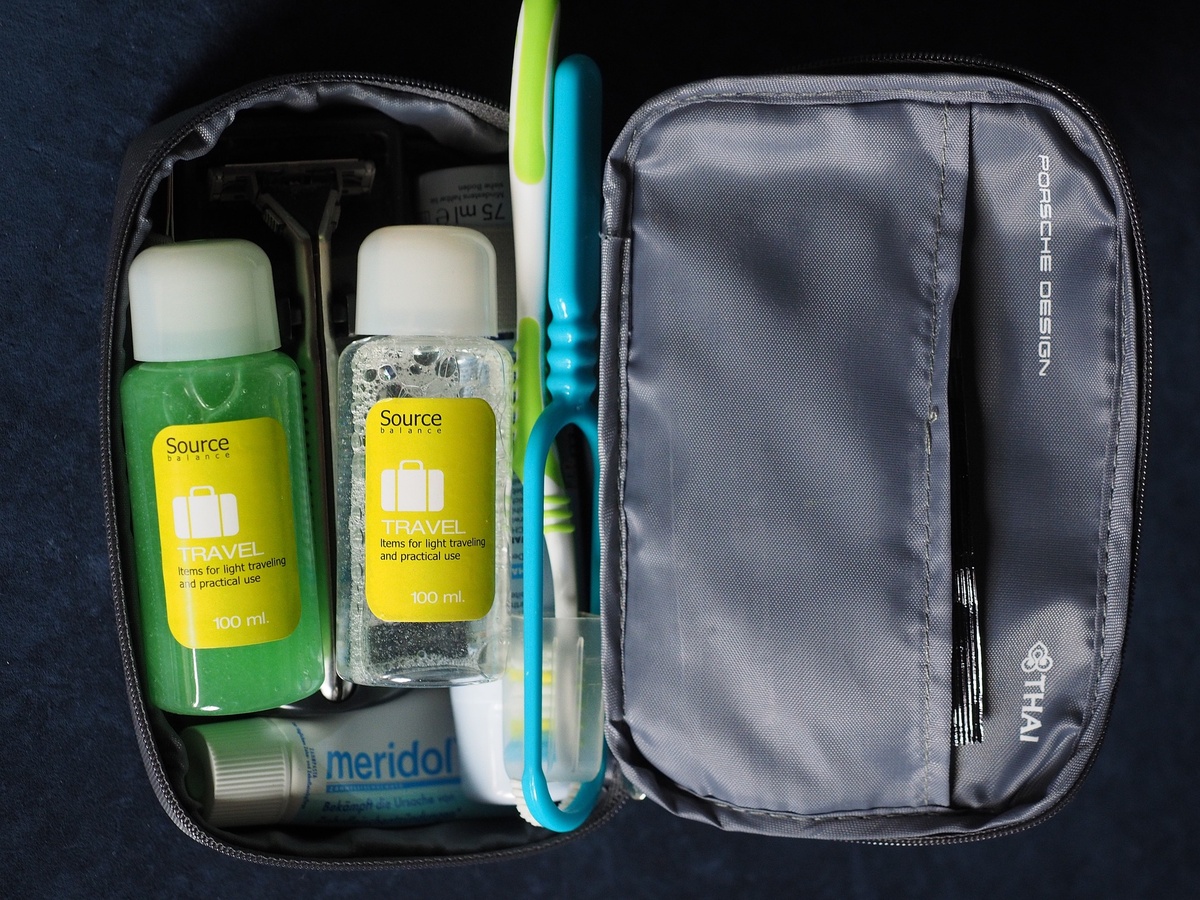
Image by Hans from Pixabay.
Understanding the TSA 3-1-1 rule for liquids on a plane
If you’re traveling with liquids on a plane in the United States, you must follow strict TSA liquid limits. These regulations determine the carry on liquid size, the amount of liquid allowed on a plane, and exactly how liquids must be packed in your carry-on luggage.
Why do plane restrictions on liquids exist?
The current rules for liquids on planes were introduced in August 2006 after authorities stopped a plot involving liquid explosives on commercial flights.
In response, the TSA implemented nationwide restrictions on liquids on plane travel to reduce the risk of hazardous substances being carried onboard. By limiting the size for liquids on a plane, security officers can more easily screen items and identify potential threats.
These TSA travel restrictions on liquids are federal regulations. Every U.S. airline follows them — no exceptions.
What the TSA 3-1-1 rule actually means
The TSA’s 3-1-1 rule explains the liquids plane allowance for carry-on luggage.
It stands for:
3.4 ounces (100 ml) per container
1 quart-size clear plastic bag
1 bag per passenger
3.4 ounces per container
Every liquid, gel, aerosol, cream, or paste must be in a container that holds 3.4 ounces (100 ml) or less.
This includes:
Shampoo and conditioner
Toothpaste
Lotion
Perfume
Drinks
Cosmetics
Even if a bottle is partially empty, what matters is the container size, not how much liquid remains inside. A 6-ounce bottle with only 1 ounce left is still prohibited in carry-on luggage.
This is the standard size for liquids carry on luggage across all U.S. airports.
1 quart-size clear bag
All approved liquid containers must fit inside one clear, quart-size zip-top bag (approximately 7 x 8 inches).
You are limited to:
One bag per traveler
The bag must close completely
This rule applies to all carry on luggage and liquids.
Many travelers wonder if they still need to put liquids in a clear bag for TSA. The answer is yes — unless you have TSA PreCheck, where you can usually leave the bag inside your carry-on during screening.
1 bag per passenger
Each passenger is allowed only one quart-size liquids bag.
If you have more liquids than fit in that bag, you must:
Move them to liquids in checked baggage
Discard them at security
Or ship them ahead
These are the official regulations for liquids in carry on luggage.
What happens at security?
At the checkpoint:
Remove your quart-size liquids bag (unless TSA PreCheck).
Place it in a bin for X-ray screening.
Be prepared for additional inspection if items trigger alarms.
Any container exceeding TSA liquid limits will be confiscated unless you step out of line and place it in checked baggage.
Following the 3-1-1 rule helps avoid delays and speeds up security for everyone.
Liquids in checked baggage (Hold luggage)
If you’re exceeding the size for liquids in carry-on luggage (3.4 ounces / 100 ml per container), the simplest solution is to place those items in your checked baggage.
Many travelers ask:
Can you bring liquids in your checked luggage? Yes.
Can you pack liquids in checked luggage? Yes — and there’s no 3.4 oz limit like there is for carry-ons.
Under TSA liquids in checked luggage guidelines, there is no strict container size limit for most everyday items. That means you can pack full-size shampoo, lotion, sunscreen, beverages, and other liquids in hold luggage without worrying about quart-size bags.
However, hazardous materials are still prohibited. Flammable, corrosive, or otherwise dangerous substances are not allowed in either carry-on or checked bags.
Restrictions on liquids in carry-on luggage
The regulations for liquids in carry-on luggage are much stricter. Containers must be 3.4 ounces (100 ml) or smaller and fit inside a single quart-size bag. These restrictions on liquids in carry-on luggage apply at all U.S. airports and airlines.
If you don’t want to deal with those limits, packing liquids in hold luggage is often easier.
How to pack liquids in checked luggage safely
Although there’s more flexibility with liquids in hold luggage, you still need to pack them carefully:
Tighten caps securely.
Place bottles inside waterproof zip-top bags.
Wrap glass containers in clothing or bubble wrap.
Keep liquids toward the center of your suitcase for protection.
Checked bags are handled multiple times, so taking a few extra steps can prevent leaks and broken bottles.
In short, if you’re unsure about carry-on liquid rules, moving items to your checked baggage removes most size restrictions and simplifies the process.

Image by Roselène de Koning from Pexels.
TSA liquid exceptions: When you can bring more than 3.4 ounces
While TSA liquid limits are strict, there are important exceptions to the standard restrictions on liquids in carry on luggage. If you’re wondering whether you can bring liquids on a plane that exceed the usual 3.4-ounce rule, the answer is yes — but only in specific circumstances.
These exceptions apply to all U.S. airlines because they fall under federal TSA travel restrictions on liquids, not airline policies.
If you’re carrying any of the following items, you must declare them to a TSA officer at the checkpoint for separate screening.
Medications and medical liquids
Medically necessary liquids are exempt from the standard carry on liquid size restrictions.
This includes:
Prescription liquid medications
Insulin and injectable medications
Saline or contact lens solution (in medically necessary quantities)
Nebulizer fluids
Liquid nutrition for medical needs
Cooling gel packs for medication
TSA allows medically necessary liquids in “reasonable quantities” beyond 3.4 ounces.
If you’re asking, “How much liquid can you bring on a plane for medication?” — the answer is: as much as you reasonably need for your trip.
What to do at security:
Keep medications accessible.
Inform the TSA officer before screening.
Separate medical liquids from your quart-size bag.
Be prepared for additional inspection or testing.
It’s helpful (though not required) to keep medications in their original labeled containers and carry documentation for unusual liquids.
Important: Non-prescription liquids that are not medically necessary must follow normal regulations for liquids in carry on luggage.
Infant and child nourishment
Parents traveling with infants or toddlers are allowed more flexibility when traveling with liquids on plane.
TSA does not enforce the 3.4-ounce limit on:
Baby formula
Breast milk
Baby food (including puree pouches)
Juice or drinks for infants
Water for mixing formula
These items are considered medically necessary liquids.
Key points:
The child does not need to be present for breast milk.
Declare all baby liquids at the checkpoint.
Separate them for screening.
Officers may test or inspect them, but nothing will be added to the liquid.
You can bring reasonable quantities needed for your journey. TSA also allows gel ice packs and freezer packs for keeping milk cold — even if partially melted — when used for infant nourishment.
If you’re unsure what liquids you can take on a plane when traveling with children, baby milk and food are among the most commonly approved exceptions.
Duty-free liquids (International travel)
If you purchase liquids at an international duty-free shop and are connecting through a U.S. airport, you may carry them in your carry-on — even if they exceed 3.4 ounces — under strict conditions.
The item must:
Be sealed in a Security Tamper-Evident Bag (STEB)
Include the original receipt
Have been purchased within 48 hours
Remain unopened
TSA will screen the sealed bag. If the seal appears broken or the item cannot be cleared, it will not be allowed.
If you’re wondering about TSA liquids in checked luggage vs. carry-on, duty-free items are often safer in checked baggage if you’re unsure about connections.
Frozen liquids and ice packs
TSA treats frozen liquids differently. If a liquid is completely frozen solid at screening, it does not count toward your 3.4-ounce liquid limit. However:
If it is partially melted or slushy, it counts as a liquid.
Melted portions must comply with the 3-1-1 rule.
Gel ice packs follow the same rule — unless they are medically necessary (for medication or breast milk), in which case they may be allowed even if partially thawed.
Tip: Freeze items solid and use insulated containers to reduce issues at security.
Other notable exceptions
There are a few uncommon but approved liquid-related exceptions under TSA guidelines:
Live fish in water
Live fish are allowed in a clear, spill-proof container — even though the water exceeds 3.4 ounces. TSA officers will visually inspect the container.
Fresh eggs
Eggs are permitted in carry-on luggage, though they may require separate screening.
Biological or scientific samples
Non-infectious scientific specimens may be allowed under strict packaging regulations.
Non-spillable wet batteries
Certain medical or mobility equipment batteries are permitted under specific watt-hour and voltage limits.
These exceptions exist because TSA’s focus is on hazardous liquids, not everyday unusual items.
Important reminder
Even with exceptions, the final decision rests with the TSA officer at the checkpoint.
To avoid delays:
Declare unusual liquids before screening.
Keep exempt items separate from your quart-size bag.
Be prepared for additional inspection.
Understanding the guidelines for liquids on planes helps you pack confidently and avoid surprises — especially when traveling with medications, children, or international purchases.
Important considerations when traveling with liquids on a plane
If you’re traveling with liquids on a plane in 2025, understanding TSA liquid limits ahead of time can save you stress at the airport — especially if you’re flying with children, medical needs, or special dietary requirements.
While the core TSA travel restrictions liquids rules remain the same nationwide, a few important details can affect your experience.
Know your departure and arrival airports
The liquid requirements for TSA apply at every U.S. airport. However, some larger hubs like Atlanta (ATL), New York (JFK), and Los Angeles (LAX) now use advanced CT scanners, which may allow you to keep your quart-size liquids bag inside your carry-on during screening.
Even with updated scanners, the carry on liquid size limit remains:
3.4 ounces (100 ml) per container
One quart-size clear bag
One bag per passenger
The amount of liquid allowed on a plane does not change based on airport technology — but screening procedures might feel smoother.
International connecting flights
If you’re connecting internationally, remember that plane restrictions liquids vary by country. Even if you purchase duty-free liquids abroad, they must:
Be sealed in a Security Tamper-Evident Bag (STEB)
Include the original receipt
Be purchased within 48 hours
Otherwise, you’ll need to follow standard TSA liquid limits when re-entering security in the U.S.
If you’re transiting through other countries before arriving in the U.S., you must follow that country’s rules for liquids on planes — which may still follow the strict 100 ml international standard.
Airline policies vs. TSA rules
All U.S. airlines follow the same regulations for liquids in carry on luggage because these are federal rules. However, airlines may have additional restrictions on overall carry-on size or prohibited items. When in doubt:
Check your airline’s baggage policy
Confirm what qualifies as prohibited liquids in checked baggage
Review any hazardous material restrictions
The TSA determines the liquids plane allowance for security screening, but airlines control baggage policies.
Prohibited items still apply
Even with exemptions for medical or infant liquids, hazardous materials remain prohibited. Common prohibited items include:
Explosives
Flammable liquids
Corrosive substances
Firearms
Certain tools
E-cigarettes in checked baggage (must be carried in cabin)
Always check the TSA’s official website for the latest list, as TSA travel restrictions liquids and other rules may change.
Tips for packing carry-on liquids efficiently
Packing smartly ensures you stay within the size for liquids carry on luggage limits and avoid delays at security.
Use travel-size containers
To comply with TSA liquid limits, transfer products into containers of 3.4 ounces or less. Common items that must meet carry-on liquid size requirements:
Shampoo and conditioner
Toothpaste
Lotion
Sunscreen
Perfume
Downsizing reduces weight and keeps you within the restrictions on liquids in carry on luggage.
Choose solid alternatives
One of the easiest ways to avoid the 3-1-1 rule is to reduce your liquids altogether. Solid options include:
Shampoo bars
Bar soap
Solid deodorant
Toothpaste tablets
Powder foundation
Solid perfume
These items do not count toward your carry on liquid size allowance and free up space in your quart bag.
Use a proper quart-size bag
Many travelers ask, “Do liquids need to be in a clear bag TSA?” Yes. All carry-on liquids must fit in:
One clear, quart-size resealable bag
Fully sealed
Easily removable for screening
A sturdy zip-top freezer bag works well, or you can use a TSA-approved toiletry pouch. Pack the bag near the top of your carry-on so it’s easy to remove at security.
Prevent leaks
Air pressure changes can cause liquids to leak. To protect your belongings:
Tighten caps securely
Use plastic wrap under lids
Remove excess air from bottles
Place leak-prone items in small secondary bags
While liquids in checked baggage are not limited to 3.4 ounces, leaks can still ruin clothing — so secure packing matters there too.
Use checked luggage for larger liquids
If you need more than the allowed carry-on amount, pack liquids in checked baggage. There are no 3.4-ounce limits for liquids in checked baggage, but some items are still restricted:
Alcohol between 24%–70% ABV is limited to 5 liters per passenger
Alcohol over 70% ABV is prohibited
Flammable liquids are not allowed
If you’re wondering, “Can you pack liquids in checked luggage?” — yes, as long as they are not hazardous.
Use TSA PreCheck for faster screening
With TSA PreCheck:
You usually don’t need to remove your quart-size liquids bag.
You can leave electronics inside your carry-on.
Screening is generally faster.
PreCheck does not change the TSA liquid limits, but it simplifies the process.
When it’s not just liquids: Know your passenger rights in the U.S.
Understanding TSA liquid rules helps you get through security smoothly — but travel disruptions can still happen. Delays, cancellations, overbooking, and baggage issues are frustrating, but knowing your rights can make a big difference.
Flight delays and cancellations
In the U.S., airlines are not required to pay automatic compensation for delays. However:
If your flight is cancelled or significantly changed, you’re entitled to a refund if you choose not to travel — even on non-refundable tickets.
Airlines must offer rebooking at no extra cost if they cancel your flight.
Meals or hotel stays may be provided, depending on the airline and situation.
Denied boarding (Overbooking)
If you’re involuntarily bumped from an overbooked flight:
You’re entitled to alternative transportation or a refund.
You may also receive cash compensation, based on how long your arrival is delayed.
Lost or delayed baggage
If your checked luggage is lost, delayed, or damaged:
Airlines are responsible up to federal liability limits.
Report the issue immediately and keep receipts for essential purchases.
Knowing the rules for liquids helps you avoid small problems at security. Knowing your passenger rights helps you handle the bigger ones — and travel with more confidence overall.