- Blog
- Can You Bring Food Through Airport Security? TSA Rules Explained
Can You Bring Food Through Airport Security? TSA Rules Explained
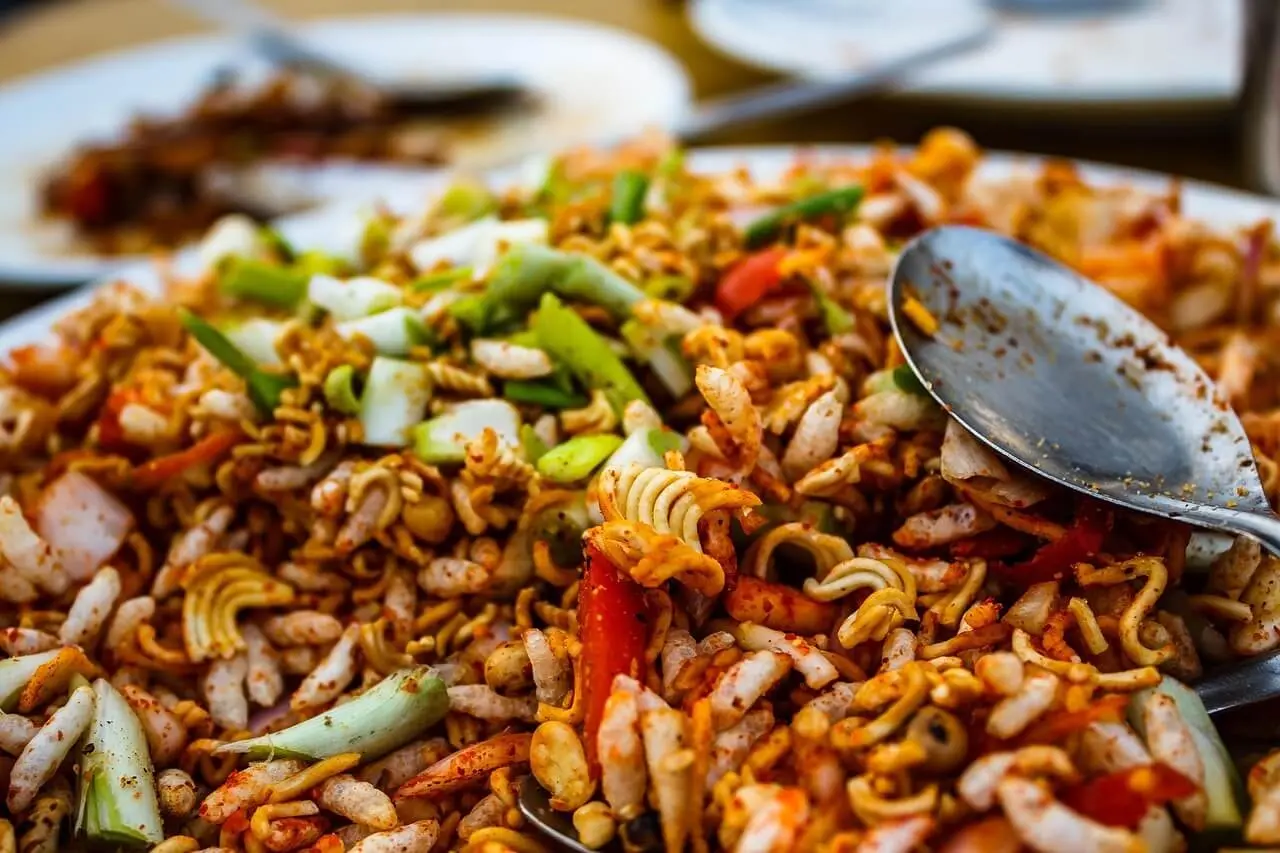
If you’ve ever stood in line at airport security wondering whether your sandwich or snacks will make it through, you’re not alone. Questions like can you take homemade food through airport security or can you take snacks through airport security are among the most common TSA-related searches.
The good news? In most cases, yes — you can bring food through airport security in the United States.
But there are important exceptions, especially when it comes to liquids, gels, and drinks. Here’s exactly what you need to know before heading to the airport.
Index
Can you take food through airport security in the US?
Yes — you can.
Under Transportation Security Administration (TSA) rules, most solid foods are allowed in carry-on bags when flying within the United States.
TSA officers are primarily concerned with liquids, gels, and potential security risks — not everyday snacks. That means items like sandwiches, chips, chocolate, fruit, cookies, and similar solid foods are generally permitted through airport security.
You may be asked to remove food from your carry-on bag for separate screening. This is completely routine and doesn’t mean the item isn’t allowed. In busy travel periods, this can add a few extra minutes to the security process, so it’s a good idea to allow additional time if you’re bringing several food items.
If you’re flying internationally, keep in mind that while TSA may allow food through security, customs regulations at your destination may restrict certain items — especially fresh produce, meat, or dairy.
And if your flight is delayed? Having your own snacks can make long waits far more manageable — especially when airport food prices are high or options are limited.
Foods you can bring through airport security (TSA Rules)
In the U.S., airport security follows the TSA’s 3-1-1 liquids rule, which limits liquids in carry-on bags to containers of 3.4 ounces (100 milliliters) or less.
Solid food does not fall under this liquid restriction, which is why most everyday foods are allowed in carry-on luggage.
As long as your food is solid, properly packed, and easy to inspect, it should pass through security without issue.
Common examples of foods you can bring through airport security include:
Sandwiches and wraps
Chips and snack packs
Chocolate and candy
Cookies and baked goods
Donuts and plain cakes
Bread and rolls
Fresh fruit
Chewing gum
Homemade solid food without excess sauce
These options are ideal if you want to save money, accommodate dietary needs, or avoid relying on airport restaurants.
When in doubt, remember: If it’s solid, it’s usually allowed. If it spreads or pours, it likely falls under the TSA liquid rule.

Image by Stephen Lartey from Unsplash.
Can you take homemade food through airport security?
Yes — you can take homemade food through airport security.
The Transportation Security Administration (TSA) allows solid food items in both carry-on and checked bags. That means homemade sandwiches, baked goods, pasta salads (without excess liquid), wraps, rice dishes, and dry snacks are generally permitted.
For example:
A turkey sandwich? ✅ Allowed
A container of soup? ❌ Not allowed in carry-on
A dry pasta salad? ✅ Allowed
Spaghetti covered in sauce? ❌ Likely restricted
TSA officers may ask you to remove food from your bag for additional screening, especially if it appears dense on X-ray.

Image by Denny Müller from Unsplash.
Can you take snacks through airport security?
Yes — snacks are one of the easiest foods to bring through airport security in the United States.
Under TSA rules, solid snack foods are allowed in carry-on bags. Pre-packaged items like protein bars, granola bars, trail mix, crackers, chips, and similar dry snacks typically pass through screening without any issues because they are solid and easy to inspect.
Bringing your own snacks can:
Save money at the airport
Help if you have dietary restrictions
Make long layovers or delays more manageable
TSA officers may ask you to remove food from your bag for additional screening, especially if you’re carrying multiple items, but this is routine.
As a general rule, if the snack is solid and not spreadable or liquid-based, you can take it through airport security.
Can you take chips through airport security?
Yes — you can take chips through airport security.
Chips are considered solid food and are fully allowed in carry-on bags. Whether it’s a single bag or a multi-pack, chips do not fall under TSA’s 3.4-ounce liquid restriction.
Just keep in mind that large quantities may trigger additional screening, but they are still permitted.
Can you take cookies through airport security?
Yes — cookies are allowed in carry-on luggage.
Both homemade and store-bought cookies can go through airport security without any problem, as long as they do not contain liquid or gel-like fillings. Solid baked goods are generally easy for TSA to screen and do not fall under liquid restrictions.
Can you take beef jerky through airport security?
Yes — beef jerky is allowed in carry-on luggage.
Because it is a solid, dried food, it does not fall under TSA liquid rules. Beef jerky is a popular travel snack and can be packed in your carry-on bag without special restrictions.
If you’re traveling internationally, however, check customs rules at your destination, as some countries restrict meat products.

Image by Jonas Kakaroto from Unsplash.
Can you bring fruit through airport security?
Yes — you can take fruit through airport security on domestic U.S. flights.
Fresh fruit like apples, bananas, grapes, and oranges are allowed in carry-on luggage. Just make sure they’re properly packed to avoid bruising or leaking juice.
However, if you’re flying internationally, customs regulations at your destination may restrict fresh fruit. TSA may allow it through security, but customs in another country may confiscate it on arrival.
Can You take oranges through airport security?
Yes — oranges are allowed in carry-on bags for domestic travel. Just keep in mind that citrus fruits may not be permitted when entering certain countries due to agricultural regulations.
Can you take apples through airport security?
Yes, apples are allowed in carry-on bags for domestic flights within the U.S.
Can you take banana through airport security?
Yes — bananas are allowed in carry-on luggage. They are considered solid food and pose no security concern.
Can you bring a sandwich through airport security?
Yes — sandwiches are allowed in carry-on bags under TSA rules.
Whether it’s homemade or store-bought, you can bring a sandwich through airport security as long as it’s primarily solid and doesn’t contain excessive liquid, such as dripping sauce, gravy, or large amounts of dressing. A turkey sandwich, PB&J, veggie wrap, or breakfast sandwich will usually pass through screening without any issue.
To avoid delays, wrap your sandwich tightly in plastic wrap, foil, or place it in a sealed container. If the sandwich appears messy or overly sauced, TSA officers may take a closer look during screening.
In general, if your sandwich holds its shape and isn’t leaking, you can confidently take it through airport security and enjoy it at the gate or on the plane.
Can you take fast food through airport security?
Yes — you can take fast food through airport security in the United States.
Under TSA rules, solid foods are allowed in carry-on bags, which means common fast food items like burgers, fries, chicken sandwiches, wraps, and pizza can typically pass through screening without a problem.
The main thing to watch out for is excess liquid. Fast food items that are heavily covered in sauce, gravy, or dressing may attract additional inspection if they appear messy or leaking. For example, a plain cheeseburger is unlikely to cause issues, while a container full of saucy wings might be questioned.
To avoid delays, keep fast food neatly wrapped and securely packaged. If it’s solid and not dripping, you can generally bring it through airport security and enjoy it at your gate or during your flight.
Can you take water through airport security?
No — you cannot take water through airport security in containers larger than 3.4 ounces (100 milliliters).
Under TSA’s 3-1-1 liquids rule, any bottle of water exceeding 3.4 ounces will be confiscated at the checkpoint — even if it’s unopened. The only exceptions are medically necessary liquids and baby formula or breast milk.
If you want to bring water with you, the best option is to carry an empty bottle and refill it after you pass through security.
Can you take drinks through airport security?
Most drinks are restricted in carry-on bags due to TSA’s liquid limits.
This applies to:
Soda
Juice
Coffee
Tea
Energy drinks
Sports drinks
Smoothies
All liquid beverages must be in containers of 3.4 ounces (100 ml) or less and fit inside a single quart-sized liquids bag. Larger containers are not permitted through security, regardless of whether they are partially full or sealed.
Can you take an empty water bottle through airport security?
Yes — empty water bottles are allowed.
Make sure the bottle is completely empty before you reach the TSA checkpoint. Even small amounts of liquid left inside could cause you to be stopped.
Once you’re past security, you can refill your bottle at a water fountain, refill station, or restaurant inside the terminal.
Can you take sealed drinks through airport security?
No — sealed drinks must still follow the 3.4-ounce liquid rule.
Being unopened does not make a difference. A sealed bottle of soda, juice, or water that exceeds 3.4 ounces will not be allowed in your carry-on bag.
If you need to bring a larger beverage, you’ll need to pack it in checked luggage instead.
Can you take a can of coke through airport security?
No — a standard can of Coke exceeds the 3.4-ounce liquid limit and cannot go through airport security in a carry-on bag.
If you want a soda for your flight, you’ll need to purchase it after passing through security.
Can you take alcohol through airport security?
Yes — but alcohol must follow TSA’s 3.4-ounce liquid rule if you’re packing it in your carry-on bag.
Any alcoholic beverage in your carry-on must be in containers of 3.4 ounces (100 ml) or less and fit inside your quart-sized liquids bag. That includes liquor, wine, and mixed drinks.
Full-size bottles of alcohol are not allowed through airport security in carry-on luggage. If you’re bringing larger bottles, they must be packed in checked luggage. Keep in mind that airlines and federal regulations also restrict alcohol that is over 140 proof, which cannot be transported in carry-on or checked bags.
And remember — even if you bring mini bottles through security, you typically cannot consume your own alcohol on the plane unless it is served by the airline.
Can you take mini liquor bottles through airport security?
Yes — mini liquor bottles are allowed in carry-on bags as long as each bottle is 3.4 ounces (100 ml) or smaller and fits inside your quart-sized liquids bag.
These “airline-sized” bottles must still comply with the TSA liquids rule, meaning you can only bring as many as will fit inside your one allowed liquids bag. Larger bottles must go in checked luggage instead.
Can you take a bottle of wine through airport security?
You cannot take a full-size bottle of wine through airport security in your carry-on. Wine is a liquid and must follow the 3.4-ounce rule. Standard wine bottles exceed that limit and must be packed in checked luggage. If you’re placing wine in checked bags, pack it carefully to prevent breakage.
Can you take packaged, sealed, or unopened food through airport security?
Yes — you can take packaged food through airport security, including sealed and unopened food.
Under TSA rules, solid packaged items are generally allowed in carry-on bags. This includes unopened snacks, sealed sandwiches, protein bars, candy, crackers, chips, and other dry goods. Being factory-sealed can actually make screening easier, since the contents are clearly identifiable on X-ray.
However, it’s important to understand that being unopened does not override liquid restrictions. If a packaged item contains liquid, gel, or a spread — such as soup, yogurt, pudding, applesauce, or canned drinks — it must still comply with the 3.4-ounce liquid rule. Larger containers will not be allowed in carry-on luggage, even if they are brand new and sealed.
In short, sealed solid food is usually fine. Sealed liquids still follow TSA’s liquid limits.
Frequently asked questions about taking food through airport security
Travel Prepared — From Airport Security to Knowing Your Rights
Now that you know what food you can take through airport security, you’re already traveling smarter. Understanding TSA rules — whether it’s packing snacks properly or following the 3-1-1 liquids rule — helps your trip start smoothly.
But confident travel isn’t just about getting through security without having your water bottle tossed. It’s also about knowing what to do when your flight doesn’t go as planned.
Even with strict aviation safety standards in the United States, disruptions still happen. Flights get delayed. Connections are missed. Bags are lost. And sometimes, passengers are denied boarding because a flight was oversold.
Knowing airport security rules helps you avoid small inconveniences. Knowing your air passenger rights in the U.S. helps you handle the bigger ones.
Unlike Europe, the United States does not have a single compensation regulation like EU261. However, passengers are still protected under U.S. Department of Transportation (DOT) rules and federal law. These rules ensure airlines meet certain obligations when disruptions occur.
Here’s what that means for you:
Flight cancellations: If your flight is canceled, airlines must offer you a refund if you choose not to travel — even for non-refundable tickets. Rebooking options are typically provided, though compensation depends on the airline’s policies and the reason for cancellation.
Significant delays: If your flight is significantly delayed and you decide not to travel, you are generally entitled to a refund. While U.S. law does not mandate automatic compensation for delays, airlines may offer meal vouchers or accommodations depending on the circumstances.
Denied boarding (Overbooking): If you are involuntarily denied boarding due to overbooking, U.S. law requires airlines to compensate you. Compensation can range up to 400% of your one-way fare (with a maximum cap set by DOT), depending on the length of the delay caused by the bump.
Baggage problems: If your luggage is lost, delayed, or damaged, airlines are liable up to a federally set limit (currently over $3,800 per passenger for domestic flights). For international travel, compensation is governed by international agreements.
Understanding what you can bring through airport security helps you prepare for your journey. Understanding your passenger rights helps you stay in control of it. Because travel isn’t just about getting from point A to point B — it’s about knowing what to do when something unexpected happens along the way.