- Blog
- News & Updates
- Growing back a forest: AirHelp's “Plant a Tree” program, supporting projects in Portugal and beyond
Growing back a forest: AirHelp's “Plant a Tree” program, supporting projects in Portugal and beyond
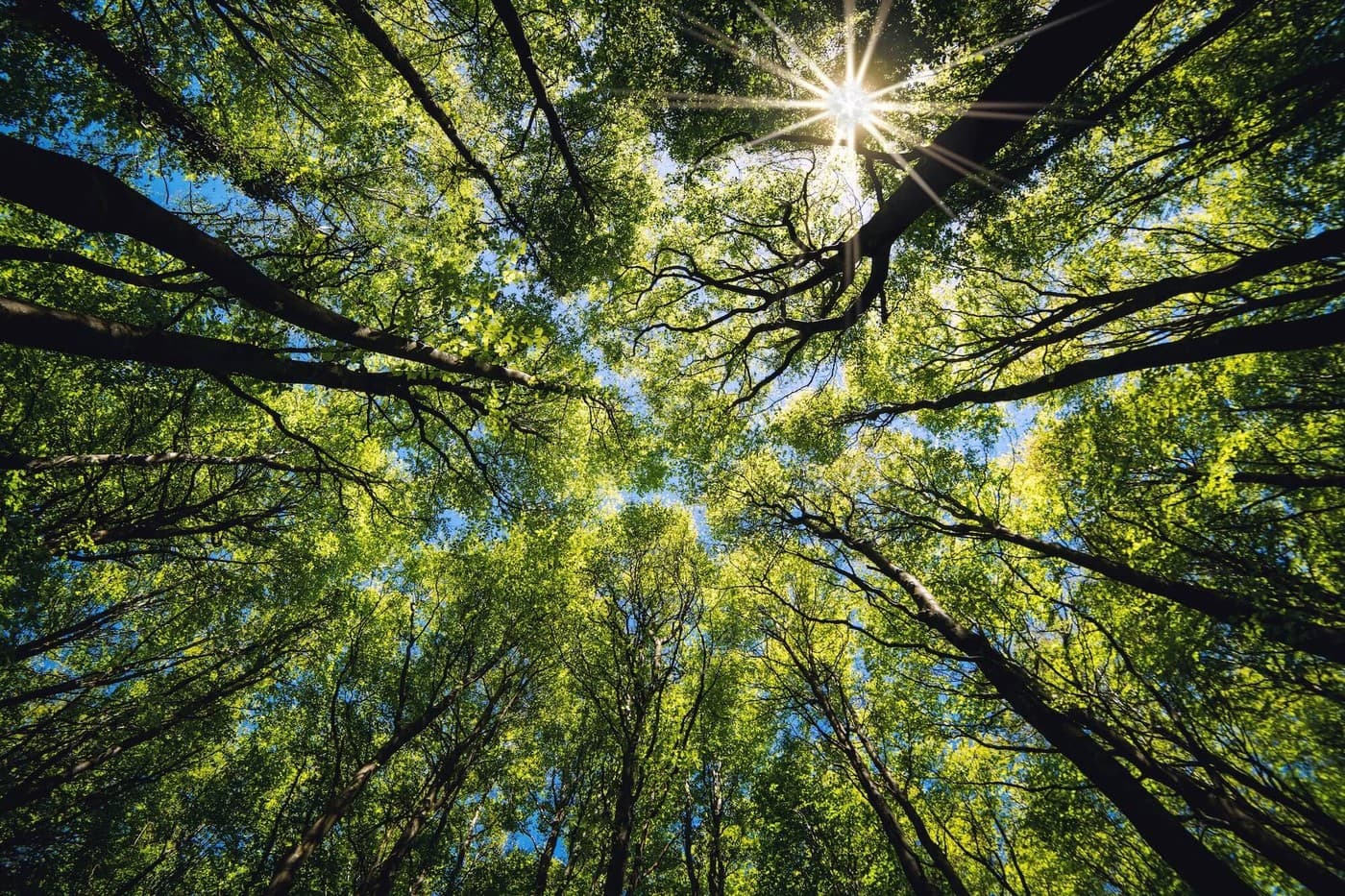
Some of the flights we help protect with AirHelp+ membership fly directly over the Leiria Pine Forest, a stretch of woodland on Portugal's Atlantic coast that's been part of the landscape for more than 700 years. In 2017, most of it burned down in a single day. Through our Plant a Tree program, we've been supporting the effort to bring it back — and Leiria is just one of numerous projects we currently support around the world.
A forest with 700 years of history — gone in 24 hours
The Leiria Pine Forest was first planted in the thirteenth century, ordered by a Portuguese king to stop coastal dunes and wind-blown sand from swallowing nearby farmland. Over the centuries it grew into more than 11,000 hectares of woodland — a source of timber for Portugal's famous Age of Discovery ships, and a place generations of local families still walk, picnic, and swim near today.
In October 2017, a wildfire driven by strong winds and drought tore through 86% of the forest in a single day. Only a fraction of the original woodland survived.
The replanting effort
Since 2022, the nonprofit One Tree Planted and its local partners have been restoring the forest, planting over a million native, fire-resilient trees across nearly 1,000 hectares. The goal isn't just to replace what burned — it's to bring back a more resilient mix of species than existed before, so the forest stands a better chance against future fires.
That means native trees and shrubs that stabilize the coastal dunes and sandy soil, support local wildlife, and rebuild the forest's natural firebreaks, alongside the maritime pines that made the area famous. Local schools and residents have taken part directly, growing saplings in nearby nurseries and helping plant them by hand.
Why it matters
As passenger rights advocates, caring about people who fly means caring about the places they fly over and through — which is the reasoning behind AirHelp’s tree planting program. Three things drive it specifically:
Restoring nature and biodiversity: the projects the program supports create new habitats and protect biodiversity, and trees clean air and water while supporting a healthy climate.
Giving back to the places we fly over: flight disruptions create up to 9 million tons of CO2 every year worldwide, and the average tree absorbs an average of 10 kilograms, or 22 pounds, of carbon dioxide per year for the first 20 years — a direct, if partial, counterweight.
Supporting local communities: green spaces support the health and wellbeing of the people who live near them, and agroforestry projects boost local economies and reduce food insecurity.
The pledge and the numbers
The program runs on a simple pledge: AirHelp plants one tree for every 100 flight delays it tracks worldwide, turning a bad flight into something good for the planet. As of writing, that pledge has added up to 228,833 trees planted, tracked against 22,883,328 delayed flights — figures that update continuously as more flights are tracked, so check the live counter for the current total.
There's a natural overlap worth naming here: the same disruption tracking that feeds this pledge is what AirHelp uses to check whether a delayed or cancelled flight owes you compensation. If your own flight has been delayed recently, it's already part of the data behind these numbers — and it's worth a quick check in the AirHelp app to see whether it also owes you something more directly, like up to €600 compensation.


Where else we're planting
Portugal is one of the most detailed stories so far, but AirHelp’s tree planting program currently supports reforestation projects in multiple countries and continents, each addressing a different kind of land degradation. Here are some examples:
Armenia — North Bazum reforestation: restoring land degraded by intensive animal grazing, planting native trees and shrubs to reduce bare ground and rebuild a stronger ecosystem.
Spain — regenerative agriculture: food trees are planted across farms and public land, mitigating desertification while creating habitat for lynx, foxes, and other wildlife.
Nova Scotia, Canada — Cape Breton Highlands restoration: replanting native spruce after decades of moose grazing prevented natural regrowth following a spruce budworm outbreak.
Germany — climate-resilient restoration: volunteers and landowners rebuilding forests damaged by drought, storms, and bark beetle infestation with more pest-resistant, mixed-species planting.
Turkey — agroforestry farming: distributing olive and pistachio seedlings to farmers in regions affected by desertification, boosting local income alongside land recovery.
Each project is implemented by One Tree Planted's local partners on the ground, chosen because the type of restoration needed — dune stabilization, agroforestry, pest-resistant replanting — differs from place to place.
What it means for travelers
You don't need to do anything to be part of this — it's simply something AirHelp chose to support through our Plant a Tree program. But if you're flying through Portugal, Spain, Germany, Turkey, Armenia, or eastern Canada, it's worth knowing that the landscape you might glimpse from the window could be part of one of these six projects. Read more about what drives us on our about us page.
You can read the full story of the Leiria restoration project on One Tree Planted's site.
.png)

.jpg%3Ftr%3Df-auto&w=3840&q=75)