- Blog
- Compensation & Passenger Rights
- Airport special assistance: how to get help when you fly with a disability or reduced mobility
Airport special assistance: how to get help when you fly with a disability or reduced mobility

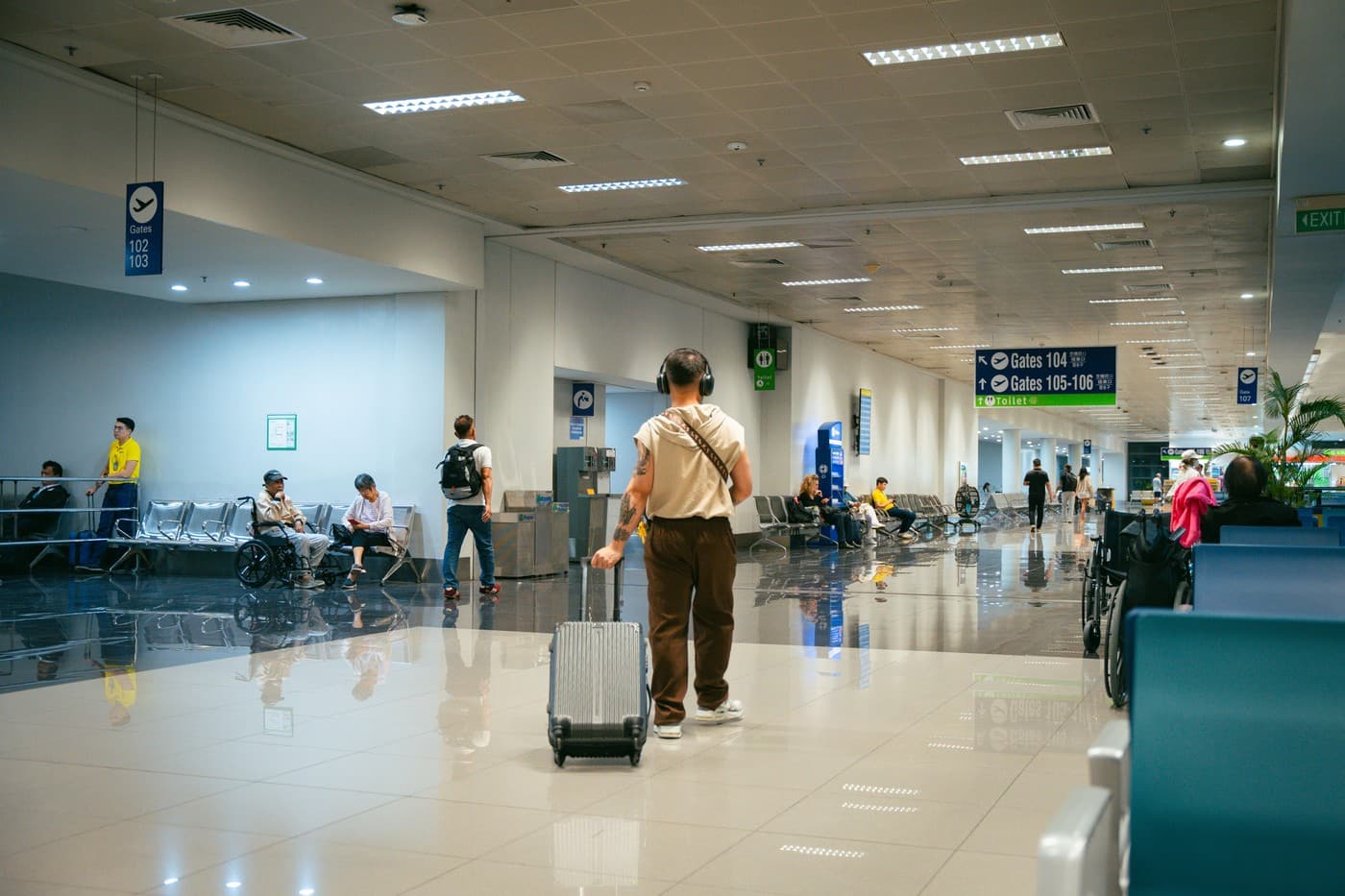
Special assistance at the airport is free. In Europe, it's also your legal right. Tell your airline at least 48 hours before you fly, and the airport must help you from the moment you arrive until you're in your seat. It must help you again when you land.
Here's who can get it and how to book it with the airlines most people in Europe fly. We also cover wheelchairs, scooters, and assistance dogs, plus how the sunflower lanyard works for non-visible disabilities.
At a glance: your special assistance rights in Europe
Free of charge at airports in the EU, Norway, Iceland, and Switzerland, and on board your flight.
Book at least 48 hours before you fly. With less notice, staff must still do their best to help.
Up to 2 mobility aids travel free, including electric wheelchairs.
Assistance dogs can fly with you in the cabin.
Airlines can only refuse you for real safety reasons, never just because of a disability.
What is special assistance at the airport?
Special assistance is help getting through the airport and onto the plane. You may also hear it called PRM assistance, short for "passengers with reduced mobility." It can mean a wheelchair or buggy to the gate, help at check-in and security, boarding first, and help to your seat. On board, the crew can help you get to the toilet and stow your mobility aid.
It isn't only for wheelchair users. EU rules cover anyone who finds it hard to get around because of a disability, age, injury, or illness. That includes short-term problems like a broken leg. People with non-visible disabilities, such as autism, dementia, or anxiety, can ask for it too.
Which type of assistance do you need?
Airlines use short codes for the help you need. Knowing yours makes booking quicker:
Code | What it means |
|---|---|
WCHR | You can manage steps and walk in the cabin, but need a wheelchair for long walks, like to the gate |
WCHS | You can't manage steps, so you're taken to the plane in a wheelchair. You can walk to your seat |
WCHC | You can't walk at all and need a wheelchair all the way to your seat |
DPNA | You have a non-visibile or learning disability and need help (Ryanair uses this code, among others) |
How to book special assistance with your airline
Ask for it when you book, or right after. The deadline is 48 hours before you fly, but earlier is better.
Be specific. Say what help you need. Give details of any mobility aid: type, weight, size, and battery.
Get it in writing. Keep the email that shows your help is booked.
Booked through a travel agent? Tell them too. They must pass your request to the airline.
Arrive in good time. Go to the help point or check-in desk at the time your airline gives you, usually about 2 hours before you fly.
Most airlines pass your request to the airport. The airport then gives the help on the ground for every airline.
How to request special assistance with easyJet, Ryanair, TUI, and Lufthansa
Airline | How to request | When | Worth knowing |
|---|---|---|---|
easyJet | When you book, or later in Manage Bookings | As soon as you can, and at least 48 hours before | Wheelchairs over 60 kg, some special equipment, and assistance dogs need approval first |
Ryanair | When you book, or in "Manage this booking" in myRyanair | Online up to 48 hours before. After that, call up to 12 hours before | Go to the airport help desk 2 hours before you fly. Ryanair seats you and 1 companion together for free. Pick DPNA for a non-visible disability |
TUI | When you book, or by contacting TUI later | At least 48 hours before | Arrive 2 hours before you fly, or 3 hours if you need help from the car park or a bus stop. Steps can differ between TUI airlines in different countries |
Lufthansa | The online form (in English or German) once you've booked, or by phone | Ideally at least 48 hours before | Lufthansa will try to help on the day, but booking ahead means every team knows you're coming |
Flying with another airline? The 48-hour rule is the same for every airline leaving an EU airport. Look for "special assistance" in the airline's Manage booking area. For delay and cancellation rights with each airline, see our guides to easyJet passenger rights, Ryanair passenger rights, TUI passenger rights, and Lufthansa passenger rights.

Can you take a mobility scooter or wheelchair on a plane?
Yes. Airlines leaving EU airports must carry up to 2 mobility aids per person for free. That includes electric wheelchairs and mobility scooters. Tell your airline at least 48 hours before you fly, so it can check there's room and plan how to load it.
Batteries need extra care. When you book, have your battery type, its watt-hour (Wh) rating, and your aid's weight and size ready. Many airlines, including TUI, accept 1 lithium-ion battery of up to 300 Wh, or 2 of up to 160 Wh each.
Before you hand your aid over:
Charge it fully, and bring instructions for folding it and disconnecting the battery.
Remove loose parts, like cushions and bags, and take them into the cabin.
Ask for it to be brought to the aircraft door when you land.
Check your insurance. Airlines only pay up to a limit if your aid is lost or damaged, so make sure your travel insurance covers its full value.
Assistance dogs and medical equipment
Assistance dogs fly free in the cabin on flights to and from the EU. Tell your airline early, as some, like easyJet, need to approve your dog first. If you need oxygen or other medical kit on board, tell your airline early too. It may ask you to fill in a medical form.
Non-visible disabilities and the sunflower lanyard
Not every disability is visible. If you have autism, dementia, anxiety, chronic pain, or another non-visible condition, you can still book special assistance. Many airports in Europe also know the Hidden Disabilities Sunflower.
The sunflower scheme started at London Gatwick in 2016. Wearing the lanyard tells trained staff you may need a little more time or help, for example at security. It's spreading fast in 2026:
Frankfurt Airport joined on 1 January 2026 and hands out lanyards for free.
Lufthansa joined in December 2025, along with Munich Airport. It wants all Lufthansa Group airlines to join by the end of 2026.
Amsterdam Schiphol gives out lanyards at the assistance desk in the departure hall.
The lanyard is free, and you don't need proof of a disability. But it doesn't give you extra rights or Fast Track, so book special assistance too if you need it.

What if your flight is delayed or canceled?
Your rights under EC 261 are the same as for every passenger. That means meals and drinks while you wait, and a hotel if you're stuck overnight. EU rules also say airlines should put passengers with reduced mobility and their companions first. If the airline caused the problem, you may be owed up to €600 too.
If you're rebooked, ask the airline to move your help to the new flight right away. And if you'd like extra protection when trips go wrong, our guide to whether AirHelp+ is worth it explains how it works.
Better protection is on the way
Under the 2026 reform of EU passenger rights, airlines won't be able to add extra connections to your trip without your OK. Your help will carry over to a new flight, and your companion will get a free seat next to you. The new rules are expected to apply from 2027, and you can read more in our post on 5 new protections for passengers with disabilities.
Practical tips for a smoother trip
Book assistance at the same time as your flight, for every leg and every connection.
Ask for a seat that suits you, like an aisle seat or one near the toilets. You can't sit in an exit row.
Allow extra time for connections, especially at large hubs.
Pack medication in your hand luggage with a copy of your prescription, and our guide to flying with medication explains the rules.
If help doesn't turn up, ask at the information desk and note the time and names. Complain to the airline or airport later. If that fails, contact the national body that handles passenger rights in that country.
This guide covers the practical side. For the full legal detail, see our guide to the rights of air passengers with disabilities and reduced mobility.
Frequently asked questions about airport special assistance
Is airport special assistance free?
Yes. In the EU, Norway, Iceland, and Switzerland, special assistance at the airport and on board is free. You don't pay extra to bring up to 2 mobility aids either.
What qualifies for special assistance at the airport?
Anyone who finds it hard to get around because of a disability, age, injury, or illness, for the long term or short term. Hidden disabilities count too. You don't usually need proof, but your airline may ask for medical details if you need oxygen or medical kit on board.
Do you get priority boarding with special assistance?
Usually, yes. Passengers using special assistance normally board among the first, so they have time to get settled before everyone else.
Do you get through the airport quicker with special assistance?
Not always. Special assistance is about support, not speed, and it isn't the same as Fast Track. Staff will help you through each step, but allow plenty of time, especially at busy airports.


.jpg%3Ftr%3Df-auto&w=3840&q=75)