- Blog
- Can You Take Lighters on Airplanes? Rules, Restrictions & Travel Tips
Can You Take Lighters on Airplanes? Rules, Restrictions & Travel Tips
Getting ready for a trip should feel exciting, not stressful—but figuring out what you’re allowed to bring on a plane can quickly raise questions. If you smoke or vape, you might be asking yourself: Can I take a lighter or cigarettes through airport security? The answer isn’t always straightforward, as aviation rules are strict and can vary depending on the item, airline, and destination.
To make things easier, we’ve created a clear, practical guide covering everything you need to know about traveling with lighters, cigarettes, and e-cigarettes. With the right information, you can pack confidently and avoid any surprises at the airport.
Can you take a lighter on a plane?
If you’re getting ready for a trip and unsure whether a lighter is allowed, you’re not alone. The rules can seem unclear, especially since they vary slightly depending on the country, airline, and type of lighter.
The key thing to know is this: you can bring a lighter on a plane—but only under specific conditions. Understanding those rules ahead of time can help you avoid delays or having your item taken at security.
Why are lighters regulated?
Lighters contain flammable fuel, which makes them a potential safety risk during a flight. For that reason, aviation authorities such as the Transportation Security Administration (TSA), International Air Transport Association (IATA), and European regulators enforce strict guidelines on how they can be carried.
Key rules for traveling with a lighter
✔ One lighter per passenger
Most regulations allow you to bring one small lighter, usually carried on your person (like in your pocket) after passing through security.
❌ No lighters in checked bags
Lighters are generally not permitted in checked luggage. If one is found during screening, it will likely be removed—and your bag may be delayed or inspected.
What types of lighters are allowed?
Typically, you can bring:
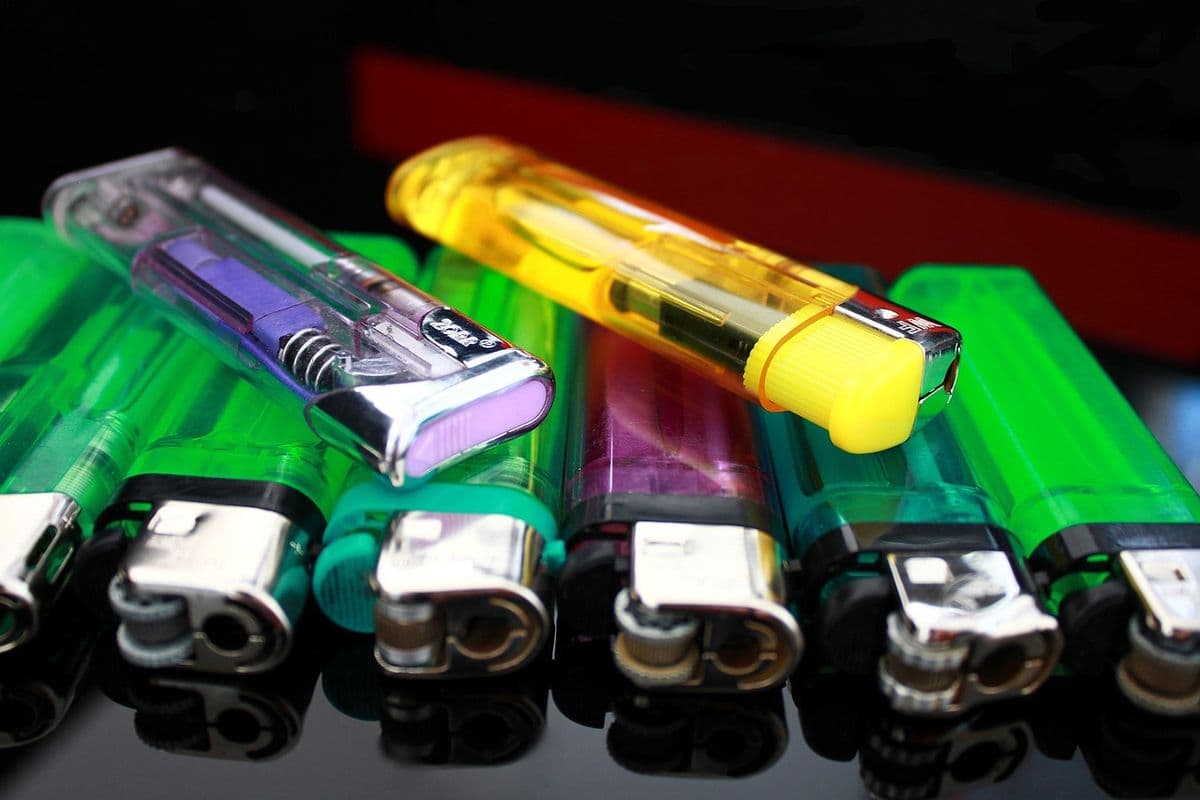
Disposable butane lighters (like BIC or Clipper)
Zippo-style lighters (as long as the fuel is properly absorbed)
Arc or electric lighters (must be in carry-on due to batteries)
In some cases, one small pack of safety matches
What types are prohibited?
The following are usually not allowed:
Torch or jet-flame lighters
BBQ or long-stem lighters
Lighters with liquid fuel that isn’t absorbed
Novelty lighters (e.g., gun-shaped)
Lighter fluid or refills
These items will typically be confiscated at security.
Electric and plasma lighters
Even though they don’t use fuel, they contain lithium batteries, so:
Allowed in carry-on or on your person
Not allowed in checked baggage
Cannot be used during the flight
Make sure they’re turned off and protected from accidental activation.
Do rules vary by region?
Yes—slightly.
United States: The TSA allows one lighter in carry-on or on your person, but not in checked bags (unless stored in a special approved case).
Europe: Similar rules apply, although enforcement can vary by airport.
Latin America: Most countries follow IATA guidelines, but local differences may exist.
You can take a lighter on a plane, but it needs to be the right type and carried properly. When in doubt, keep it simple: one standard lighter, in your pocket or carry-on, and you’ll avoid most issues at airport security.
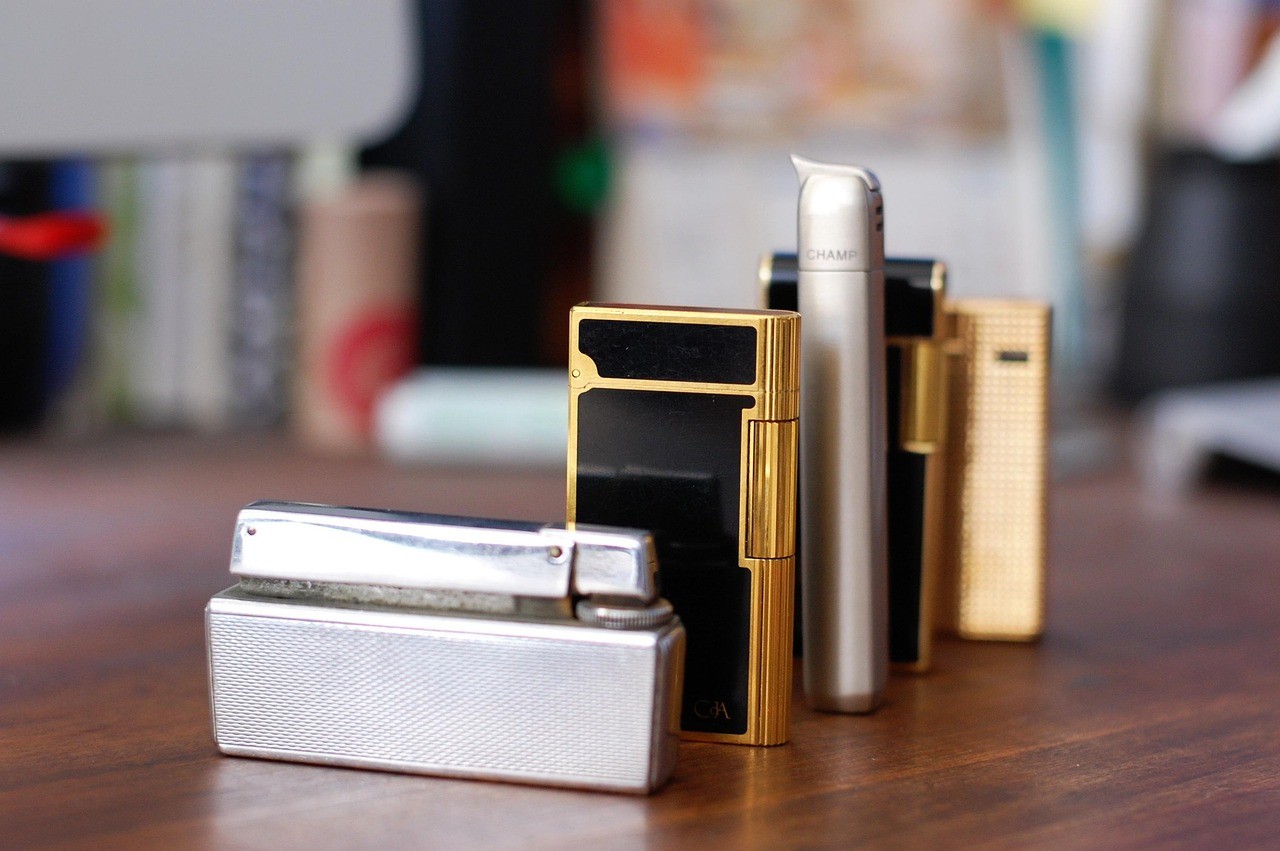
Image from gavilla from Pixabay.
Traveling with a lighter: where it’s allowed (and where it’s not)
Bringing a lighter on a trip can be more complicated than it seems. Rules differ between airports, airlines, and countries, but they all follow the same basic principle: anything flammable must be handled with extreme care. Even small items like lighters are treated seriously when it comes to flight safety.
The good news is that you can usually bring a lighter with you—as long as you follow the correct guidelines. Knowing exactly where to carry it can help you avoid delays, confiscation, or last-minute issues at security.
Where you can carry a lighter
On your person (best option)
Keeping your lighter in your pocket is the safest and most widely accepted option worldwide. After passing through security, you may even be reminded by staff to keep it on you rather than placing it back in your bag.
Why does this matter?
If there’s ever an issue, cabin crew need to quickly identify and access the lighter. Having it on your person avoids the risk of it being buried in a bag or stored in an overhead compartment.
In short: pocket = fewer problems.
In your carry-on bag
This is where rules can vary. Some airports allow a lighter in your carry-on, while others require it to stay on your person at all times. Airlines may also have their own policies, which can add to the confusion.
Because of these inconsistencies, carrying your lighter in your pocket is usually the safest approach. It minimizes the chances of disputes with security or having it taken away unexpectedly.
In checked luggage
This is a clear no in most cases.
Lighters that contain fuel are not allowed in checked baggage. The cargo hold is a sensitive environment, and even a small fire risk is taken very seriously. If a lighter is detected in your suitcase:
It will likely be removed
Your bag may be opened and inspected
Your luggage could be delayed or held
To avoid any issues, never pack a lighter in checked baggage.
What happens if you forget it in your suitcase?
It’s a common mistake—especially if a lighter is left in a jacket pocket or small compartment. If security finds it during screening, you can expect:
Confiscation of the lighter
Additional inspection of your bag
Possible delays at check-in or boarding
In stricter countries, even fines
Airports act quickly when flammable items are detected, so it’s always worth double-checking your luggage before you travel.
Can you bring an empty lighter?
In many cases, yes. A completely empty lighter is often allowed in both carry-on and checked baggage.
However, there’s a catch: what counts as “empty” can vary. If security believes there’s still fuel residue, they may treat it as a full lighter and remove it.
To reduce the risk:
Shake it to confirm there’s no liquid inside
Let it air out for a day or two before traveling
Be prepared for security to make the final call
If you want to be safe, keep it on your person.
Tips for carrying a lighter correctly
Even when allowed, how you carry your lighter matters:
Keep it in your pocket after security screening
Don’t place it back in your bag unless clearly permitted
Be aware of extra rules for specific types (e.g., Zippo or electric lighters)
Check your airline’s policy if you’re unsure
A quick check before your trip can save you unnecessary stress at the airport.
Special note: stricter rules in some countries
For example, airports in the UK are known for strict enforcement:
Only one lighter allowed
Must be carried on your person
Not allowed in carry-on after screening
Never allowed in checked baggage
Following these rules closely is essential to avoid losing your lighter at security.
How many lighters can you bring?
Across most global aviation authorities—including the TSA and IATA—the rule is simple:
One lighter per passenger.
This makes it easier for crew to manage safety onboard. Keep in mind that some airlines may apply stricter policies, so it’s always a good idea to double-check before you fly.
You can bring a lighter — but smoking on a plane is strictly forbidden
While taking a lighter with you on a flight is usually allowed under certain conditions, using it onboard is completely prohibited. Smoking during a flight isn’t just against airline policy—it’s illegal worldwide. Even attempting to smoke in the lavatory can trigger smoke detectors and create a serious safety risk.
What happens if you smoke on a plane?
The consequences are severe and immediate. Passengers caught smoking can face:
Significant fines
Arrest upon arrival
Removal from the aircraft
Being banned from flying with that airline in the future
Why is it taken so seriously?
Because even a small fire onboard can have catastrophic consequences. In an enclosed aircraft cabin, especially at cruising altitude, there is very little room for error. Fires—particularly in hidden areas like lavatories—are considered one of the most dangerous in-flight emergencies.
Why do airplanes still have ashtrays?
It might seem confusing, but ashtrays are still installed for safety reasons—not because smoking is allowed.
If someone breaks the rules and lights a cigarette, the ashtray provides a controlled way to extinguish it. Without one, a passenger might dispose of it in a trash bin, increasing the risk of a fire.
A quick look back
Smoking used to be common on flights, with designated smoking sections onboard. However, several serious incidents—including fires caused by improperly discarded cigarettes—led to a global ban starting in the late 1980s.
Carrying a lighter for non-smoking reasons
If you’re bringing a lighter for something like camping or outdoor use at your destination, make sure it complies with airline rules before you travel. A quick check can save you from having it confiscated at security.
Tips to manage cravings during a flight
If you smoke regularly, long flights can be challenging. Here are some practical ways to make it easier:
Stay hydrated
Drinking water can help reduce cravings and keeps you feeling better during the flight.
Keep snacks handy
Chewing gum or snacking can help distract you and reduce the urge to smoke.
Keep yourself occupied
Use the time to focus on something engaging:
Watch a movie
Read a book
Listen to music or a podcast
Play games
Use smoking areas before boarding
Many airports still have designated smoking zones. If you expect a long flight, it’s worth using them before heading to your gate.
What about vaping?
E-cigarettes are also banned during flights. Even though they don’t involve an open flame, they can still trigger onboard detectors. Using a vape mid-flight can lead to the same penalties as smoking a cigarette.
You can travel with a lighter—but lighting it on a plane is never allowed. Knowing the rules ahead of time helps you avoid serious consequences and ensures a safer journey for everyone onboard.
Travel prepared — and know your rights for a smoother journey
Once you’ve figured out what you can and can’t bring onboard — including where to carry your lighter — you’re already one step closer to a stress-free trip. But smart travel goes beyond packing. It also means understanding your rights once your journey begins.
Even experienced travelers face disruptions: long lines, weather delays, lost baggage, cancellations, or last-minute schedule changes. When that happens, what matters most isn’t what’s in your bag — it’s knowing how to respond and what you’re entitled to.
Whether you’re flying with full-service airlines like Lufthansa or Air France, or low-cost carriers such as Ryanair or easyJet, European passenger rights apply to most flights departing from or arriving in the EU, UK, Iceland, Norway, and Switzerland. These rules are designed to ensure fair treatment, regardless of the airline you choose.
Your key travel protections in Europe
Flight cancellations: You’re entitled to a full refund or an alternative flight — and in some cases, compensation of up to €600, depending on the distance and circumstances.
Delays over 3 hours: Airlines must provide care such as meals and, if necessary, accommodation. You may also be eligible for financial compensation under EU regulations.
Denied boarding (overbooking): If you’re refused boarding against your will, the airline must offer immediate compensation and alternative travel options.