- Blog
- Luggage & Security Rules
- Liquids on a Plane: Hand Luggage Rules, Size Limits & Airport Security Guide
Liquids on a Plane: Hand Luggage Rules, Size Limits & Airport Security Guide
Last updated on 27 February 2026

It’s a familiar scene: you’re almost at the front of the security queue when you suddenly remember the toiletries in your bag. Is that bottle over the limit? Do you still need a plastic bag? And what exactly counts as a liquid these days?
Liquid rules for cabin baggage can seem confusing, especially as they continue to evolve across European airports. While the 100 ml restriction still applies in many places, some airports have introduced new scanning technology that allows larger containers — meaning the answer can depend on where your journey begins.
Knowing the correct liquid allowance for both hand luggage and checked bags can save you time, prevent unnecessary searches, and spare you from leaving items behind at security.
In this guide, you’ll find a clear explanation of what’s permitted in cabin luggage, the maximum container sizes allowed, and how requirements may vary between airports — so you can pack properly and head to the gate without last-minute stress.
Liquids on a plane at a glance:
At most airports, liquids in hand luggage are limited to 100 ml per container.
All containers must fit inside one transparent, resealable 1-litre plastic bag (roughly 20cm x 20cm).
Some major airports now permit containers of up to 2 litres in cabin luggage, thanks to upgraded CT security scanners.
Liquid rules can vary depending on the airport, so always check both your departure and return location before travelling.
There are no standard size limits for liquids in hold (checked) luggage, but bottles should be sealed and packed carefully to prevent leaks.
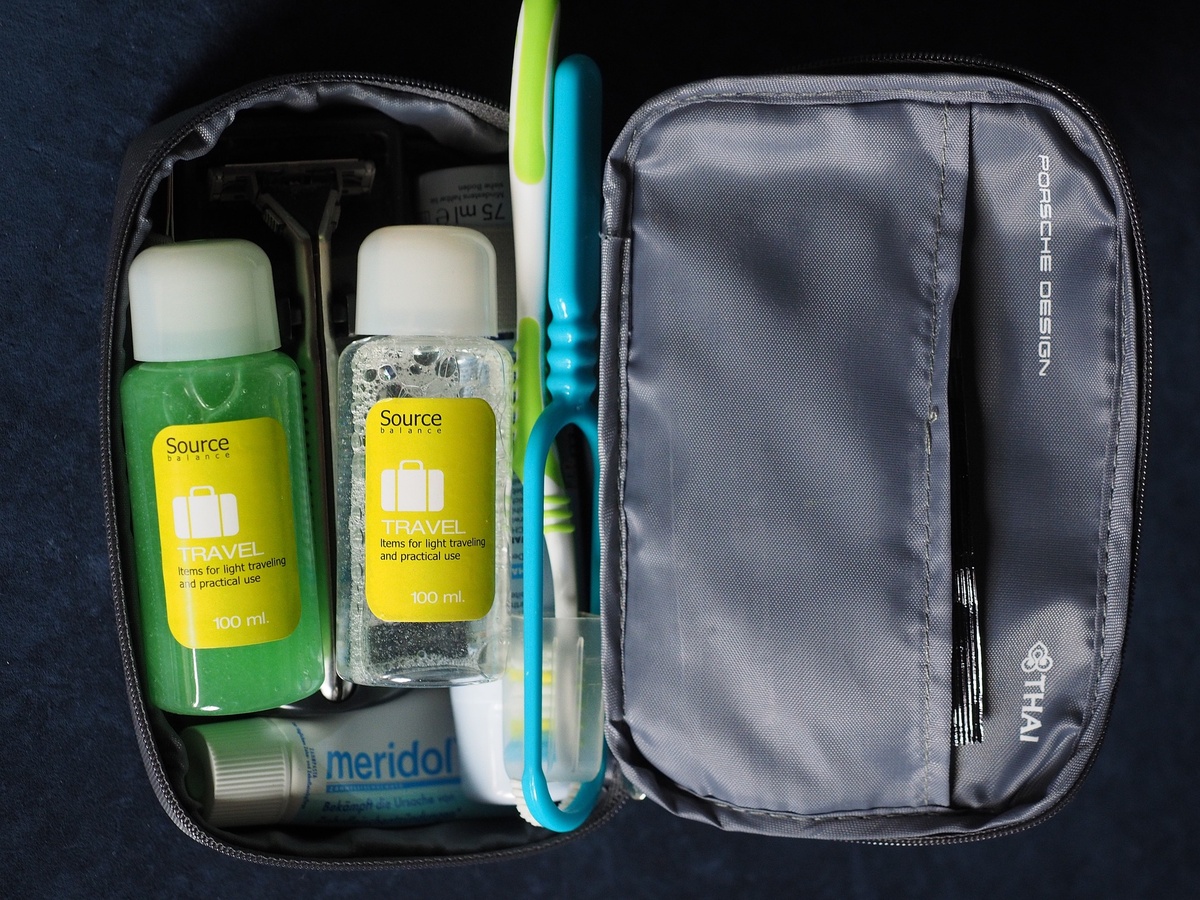
Image by Hans from Pixabay.
How much liquid can you take on a plane in hand luggage?
The amount of liquid you’re allowed to carry in your cabin bag depends on the airport you’re flying from. Across Europe, rules are evolving — but the traditional limits still apply in many locations.
Checking the liquid allowance before you travel can help you avoid delays at security and prevent toiletries or drinks from being removed at the checkpoint.
The 100 ml rule (still common at many airports)
At a large number of European airports, the standard hand luggage liquid restrictions remain in place:
Maximum 100 ml per container
All containers must fit inside one transparent, resealable 1-litre bag
One liquids bag per passenger
It’s important to note that the rule applies to the size of the container, not the amount of liquid inside. Even if a bottle is half empty, it will not be permitted if the container holds more than 100 ml.
In most cases, you’ll need to remove your liquids bag from your cabin luggage and place it separately in a tray for screening. The bag must close properly — if it doesn’t, you may be asked to reduce the contents.
For many airports, this remains the default liquid limit for hand luggage.
What counts as a permitted liquid?
Airport security defines liquids broadly. If something pours, sprays, spreads, or has a creamy consistency, it is usually treated as a liquid.
Common examples (within size limits) include:
Drinks such as water, juice, and alcohol
Toiletries including toothpaste, shampoo, and perfume
Liquid cosmetics like foundation or lip gloss
Gels and aerosols such as hair gel or deodorant
Semi-liquid foods like yoghurt, honey, jam, pâté, and sauces
Contact lens solution
These items are allowed in carry-on luggage only if they meet the size requirements set by your departure airport.
Why does the 100 ml rule exist?
Liquid restrictions were introduced worldwide in 2006 after authorities uncovered a plot involving liquid explosives concealed in drink containers. The 100 ml threshold was considered a volume low enough to reduce the risk of dangerous substances being carried onboard.
Although initially described as temporary, the rule remained in place for many years due to the limitations of screening technology
Airports introducing larger liquid limits
With the rollout of advanced CT scanners, some major European airports have begun allowing significantly larger containers in hand luggage.
At selected airports, passengers can now:
Carry containers holding up to 2 litres
Leave liquids inside their cabin bag during screening
Travel without using a separate plastic liquids bag
Bring multiple containers, provided each does not exceed 2 litres
However, these relaxed limits apply only at specific airports. Rules may still differ at your return airport, so it’s essential to check both departure and arrival requirements before travelling.
Even where larger limits are permitted, metal bottles must usually be emptied before screening, and security staff may carry out additional manual checks when necessary.
How much liquid can you take in hold (checked) luggage?
If cabin bag liquid rules feel restrictive, placing liquids in your checked luggage is usually the easiest alternative.
The strict limits you encounter at security mainly apply to hand luggage, not to bags placed in the aircraft hold.
Are liquids restricted in checked baggage?
For most European flights, there is no fixed container size limit for liquids in checked luggage. This means you can generally pack:
Full-size toiletries such as shampoo, conditioner, or shower gel
Larger bottles of sunscreen or body lotion
Perfume and cosmetics
Sauces and food products
Bottled drinks
Wine or spirits (subject to alcohol regulations)
In practical terms, checked baggage offers far greater flexibility than cabin luggage when it comes to liquids.
Alcohol in checked luggage
Alcohol can usually be packed in hold luggage, but strength matters:
Alcohol below 24% ABV (such as most beer and wine) – typically no volume restriction
Alcohol between 24% and 70% ABV – generally limited to 5 litres per passenger
Alcohol above 70% ABV – not permitted
Airline policies can vary slightly, so it’s sensible to confirm the details before travelling, particularly on international routes.
How to pack liquids safely in checked bags
Even without size limits, liquids should be packed carefully. Suitcases are handled multiple times, stacked tightly, and exposed to pressure changes during flight.
To minimise the risk of leaks or breakage:
Ensure lids are tightly closed
Seal bottles inside plastic bags
Wrap glass containers in clothing or protective material
Position liquids in the centre of your suitcase
Keep them away from electronics or delicate items
Spilled liquids are a common cause of damaged belongings, but careful packing can easily prevent this.
International travel and customs rules
While security may allow liquids in hold luggage, customs regulations at your destination can impose restrictions. These may include:
Limits on alcohol quantities
Restrictions on certain food products
Controls on dairy, meat, or agricultural goods
Security rules govern what you can bring through the airport. Customs rules govern what you can bring into another country — and they are not the same.
When is checked luggage the better option?
Placing liquids in hold baggage can be particularly useful if:
Your departure airport still enforces the 100 ml cabin rule
You need full-size toiletries
You’re carrying multiple liquid items
You want to avoid using a plastic liquids bag
You’re transporting gifts such as alcohol or cosmetics
If you’re unsure about whether something qualifies as a permitted liquid in hand luggage, packing it in checked baggage can remove much of the uncertainty and simplify your journey.
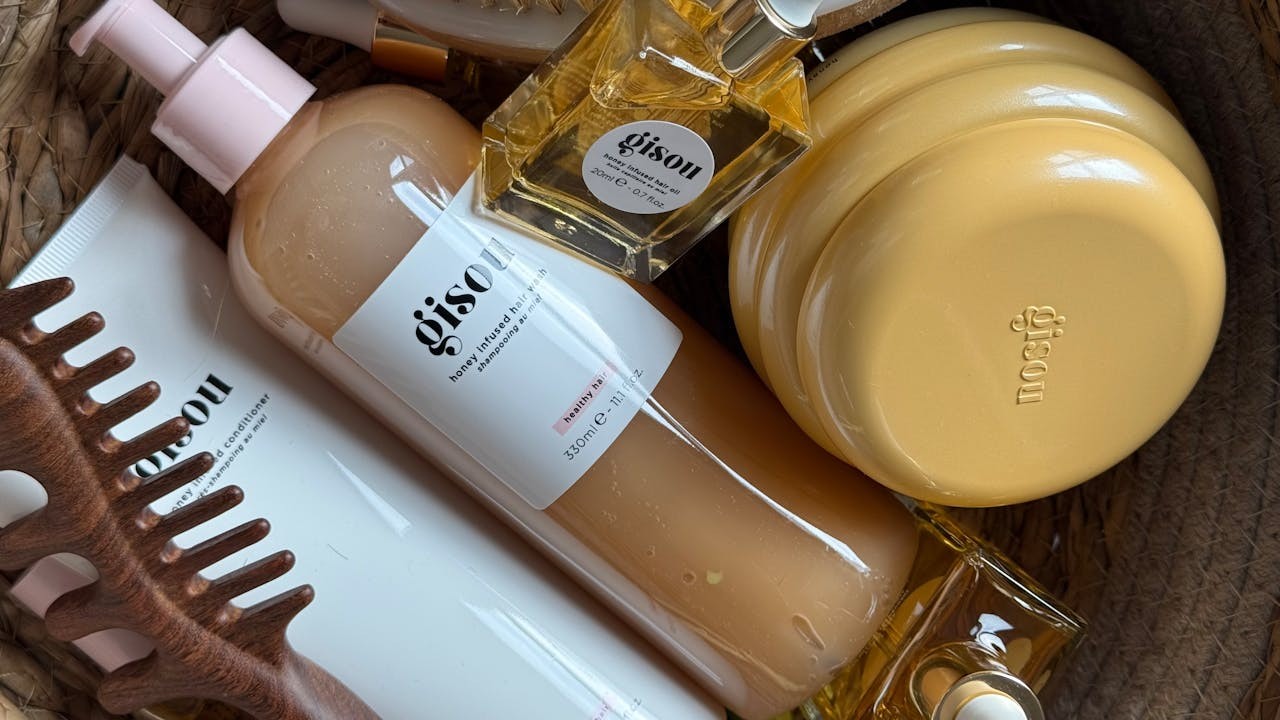
Image by Roselène de Koning from Pexels.
When are you allowed to carry more than 100 ml through airport security?
Most travellers know about the standard 100 ml liquid limit for cabin bags. However, there are important exceptions. Although the general rule restricts containers in hand luggage to 100 ml each (unless your departure airport allows larger limits), certain items are legally permitted to exceed this amount.
Here are the main situations where you may carry more than 100 ml through airport security.
Duty-free liquids (purchased after security)
Liquids bought after you pass through security — such as alcohol, perfume, or cosmetics — are not subject to the standard 100 ml restriction.
You can take these onboard even if they exceed 100 ml, provided that:
They are sealed in an official tamper-evident security bag
The purchase receipt is clearly visible inside the bag
The bag remains unopened until you reach your final destination
If you’re connecting through another airport, especially outside Europe, the items may need to be screened again. Always check the rules at any transfer airport before you travel.
Medical liquids over 100 ml
Essential medical liquids are exempt from the usual cabin baggage liquid limits. This includes:
Prescribed liquid medication
Prescription creams
Necessary medical solutions
To carry medical liquids exceeding 100 ml:
Bring supporting documentation (such as a prescription or medical letter)
Declare the item at security
Allow time for possible additional screening
Be aware that containers may be opened or tested
There is no fixed maximum volume for medically necessary liquids — only what is considered reasonable for the duration of your journey. Non-prescription liquids are usually treated under the standard 100 ml rule unless there is a clear medical need.
Special dietary liquids
Passengers with specific medical or dietary requirements may also carry liquids over 100 ml when necessary. Examples include:
Nutritional supplements
Liquid meal replacements
Allergy-specific liquid products
These items may be permitted if there is a genuine medical or dietary justification. Security staff may ask questions to confirm the need.
Baby food, milk and breast milk
When travelling with an infant, liquid rules are more flexible. You may bring:
Infant formula (including cow’s milk, soya or specialist formula)
Sterilised water (in a baby bottle)
Liquid or semi-liquid baby food
Unfrozen expressed breast milk (typically up to 2 litres per container)
Conditions to remember:
An infant must be travelling with you (except for expressed breast milk)
Items must be declared at security
Containers may be screened separately
Frozen breast milk is generally not allowed in hand luggage
There is no strict total volume limit — only what is considered reasonable for the journey.
Frozen liquids and cooling packs
Frozen liquids can be carried in cabin luggage if they are completely solid at the time of screening. If partially thawed and containing liquid, they may fall under standard liquid restrictions and be refused.
Ice packs and cooling gel packs are usually allowed if:
They are required for medical use or baby food
They are fully frozen during screening
If you are unsure, packing them in checked luggage may be simpler.
Cigarette lighters
Lighters are regulated separately from other liquids. Typically:
Only one lighter is allowed per passenger
It must be carried on your person during the flight
It may need to be placed in a clear bag during security screening
Lighters are not permitted in checked baggage.
While the 100 ml rule applies in many situations, these exemptions ensure that essential items — whether medical, dietary, or infant-related — can still be carried when genuinely required.
Airport Liquid Rules in 2026: What Travellers Need to Know
How much liquid can you take on a plane in 2026?
In 2026, the amount of liquid you’re allowed to carry in hand luggage depends on the airport you’re flying from. The long-standing 100 ml limit has been lifted at several major airports thanks to new CT (computed tomography) security scanners — but it hasn’t disappeared everywhere.
At airports using the latest scanners, passengers can now:
Carry containers of up to 2 litres each
Leave liquids inside their cabin bag during screening
Travel without using a separate 1-litre plastic liquids bag
However, other airports continue to apply the traditional 100 ml restriction. Because rules vary by location, it’s essential to check both your departure and return airport before travelling.
Airports allowing containers up to 2 litres
Several major airports now permit liquids in containers of up to 2 litres per item in hand luggage.
At these airports:
Liquids can remain inside your bag
A separate plastic liquids bag is not required
Laptops and larger electronics can stay in your cabin bag
This represents a major shift from the historic hand luggage liquid limits introduced in 2006, and in many cases has made the screening process smoother.
Airports still applying the 100 ml rule
Some airports continue to enforce the traditional liquid restrictions. Where the 100 ml rule remains in place:
Each liquid container must be 100 ml or less
All containers must fit inside a 1-litre transparent resealable bag
The bag must be presented separately at security
This means liquid rules can still differ significantly depending on where you depart.
What do the new CT scanners change?
CT scanners generate detailed 3D images of cabin bags, allowing security staff to examine items more accurately without passengers unpacking them.
As a result:
Liquids often no longer need to be removed
Laptops and electronics can stay inside the bag
Larger liquid containers may be permitted
While this technology modernises airport security, the rollout has not been fully uniform. Some airports have installed scanners but are still awaiting full regulatory approval to relax limits.
Are there any limits to the 2-litre rule?
Yes, there are a few practical considerations:
There is generally no limit on the number of containers, provided each is under 2 litres
Metal bottles and vacuum flasks must usually be empty before screening
Security officers may still carry out manual inspections if needed
Even where liquid limits have expanded, security staff retain discretion if something requires closer examination.
Do you still need a plastic liquids bag?
At airports with fully operational CT scanners, a separate plastic bag is usually no longer required.
However, at airports that still follow the 100 ml rule, you must:
Use one transparent resealable bag (approximately 20 cm x 20 cm)
Ensure the total capacity does not exceed 1 litre
Present the bag separately at security
Because of these differences, the process can still vary considerably from one airport to another.
Will queues be shorter?
Airports have suggested that the new system should reduce waiting times, as passengers no longer need to unpack liquids or electronics.
In practice, some travellers report faster processing. However, the higher sensitivity of the scanners has also led to occasional additional manual checks. Everyday items such as sunscreen, certain foods, or thick-walled bottles have sometimes triggered further inspection.
If your bag is frequently searched, asking staff which item caused the alert can help you pack more efficiently next time.
What about your return journey?
This is where many travellers are caught out. Even if your departure airport allows larger liquid containers, your return airport may still enforce the 100 ml rule.
Before travelling, always check:
Departure airport requirements
Any transfer airport rules
Return airport restrictions
When in doubt, assume the traditional 100 ml rule applies.
Are there other luggage restrictions?
Yes. Beyond liquid limits, other security rules remain in force:
Weapons and weapon-like objects are prohibited
Hazardous materials are banned
Lithium batteries must meet specific watt-hour limits
Certain destinations restrict food and agricultural products
Powder-like substances may be subject to additional screening on some routes
Security regulations can vary between airports and countries, so staying informed before you travel remains the best way to avoid surprises.
Travel prepared — From packing liquids to knowing your rights
Once you’re clear on what liquids you’re allowed to carry — whether it’s the 100 ml rule or the newer 2-litre limits at certain airports — you’re already one step ahead. Understanding the hand luggage liquid allowance and packing properly helps you move through security with fewer delays and less stress.
But travelling confidently isn’t only about getting your toiletries past the scanner. It’s also about knowing what to do if your plans change unexpectedly.
Even with modern security systems and strict aviation standards, disruptions are still part of air travel. Flights can be cancelled, delayed for hours, or overbooked. Connections may be missed. Checked luggage sometimes fails to arrive.
Knowing the liquid rules helps you avoid minor issues at the checkpoint. Knowing your passenger rights helps you handle the bigger problems.
If you’re travelling within the UK or the European Union — or flying with a UK or EU-based airline — you’re protected under passenger rights legislation (commonly known as EU261 and its UK equivalent). These regulations are designed to ensure fair treatment when flights are disrupted.
Depending on the situation, your rights may include:
Flight cancellations: The right to choose between a refund or rerouting. In many cases, you may also be entitled to compensation of up to €600, depending on the distance and circumstances.
Delays of three hours or more: If you arrive significantly late and the disruption was within the airline’s control, compensation may apply. Airlines must also provide care such as meals and, where necessary, accommodation.
Denied boarding due to overbooking: If you are refused boarding against your will, you are entitled to compensation and alternative transport.
Baggage problems: Lost, delayed, or damaged luggage may be reimbursed under international agreements, often up to around €1,600.
Knowing what you can carry in your cabin bag prepares you for security. Knowing your rights prepares you for everything else.
Because smart travel isn’t just about packing well — it’s about being informed if things don’t go according to plan.